Phnom Penh’s Techo International Airport is a landmark infrastructure project designed not only to modernize air travel but also to deliver substantial long-term economic benefits. By significantly improving logistics, expanding export capacity, fostering urban development, and cultivating an advanced aviation services sector, the airport has the potential to reshape Cambodia’s economic landscape over the coming decades.
Learn more about the new Phnom Penh’s Techo International Airport
1. Reduce Logistics Costs and Unlock Export Potential
According to a World Bank study, Cambodia’s national logistics costs were estimated at about 26% of GDP in 2020, significantly higher than in more developed economies. The Techo International Airport’s Phase 1 capacity is designed to handle approximately 175,000 tonnes of air freight annually, which is a substantial increase over the previous airport’s capacity.
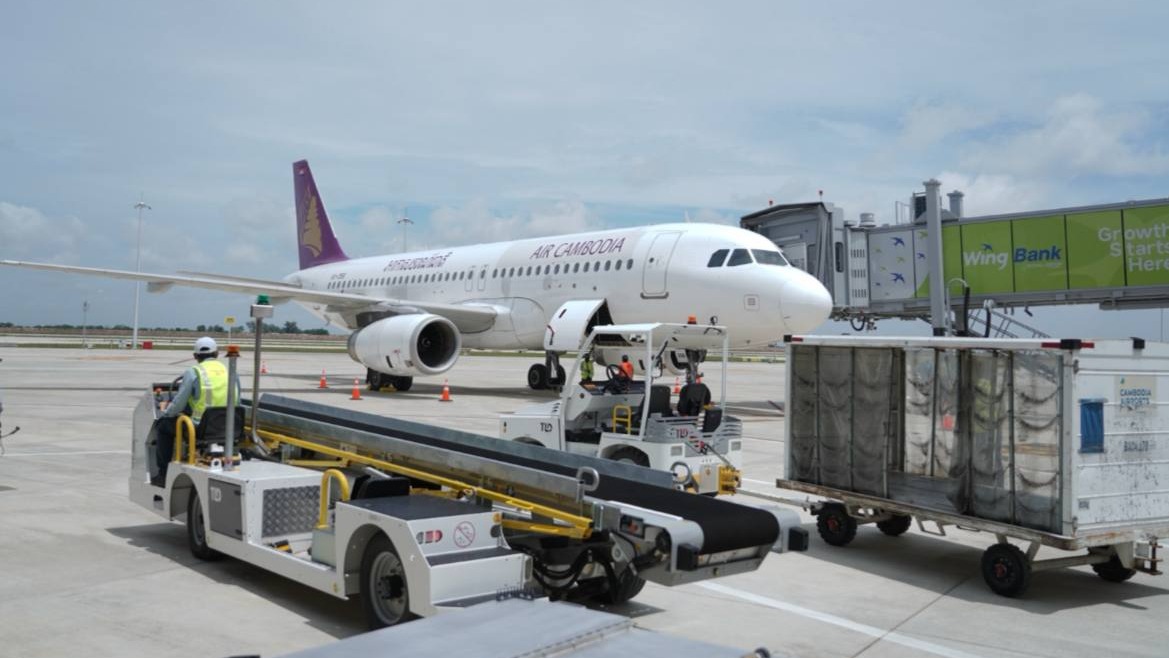
This expansion is important for facilitating high-value exports such as electronics, pharmaceuticals, and agricultural products that depend on timely air transport. By modernizing infrastructure and pairing it with customs reforms, like a single-window clearance system, the airport will drastically reduce freight bottlenecks and enhance Cambodia’s international trade competitiveness.
Additional reading: Cambodia’s Trade Volume Reaches $50 Billion Amid Strong Growth
2. Build an Industrial Corridor
The airport is situated on roughly 2,600 hectares, with plans for an adjacent 5,000-hectare Special Economic Zone (SEZ). This geographic advantage is expected to benefit the development of an aerotropolis, which is a specialized urban area centered on the airport functioning as a logistics and industrial hub.
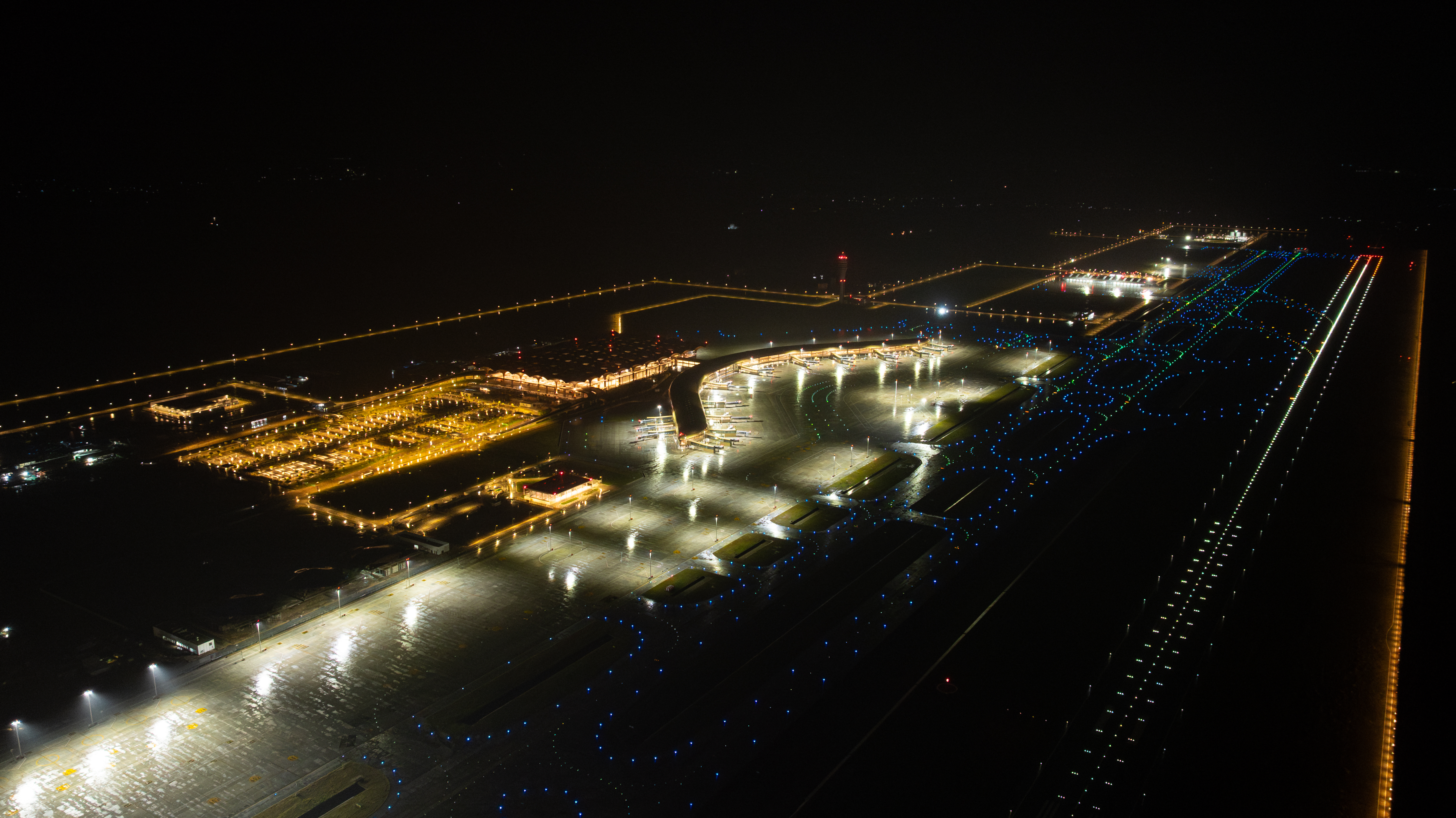
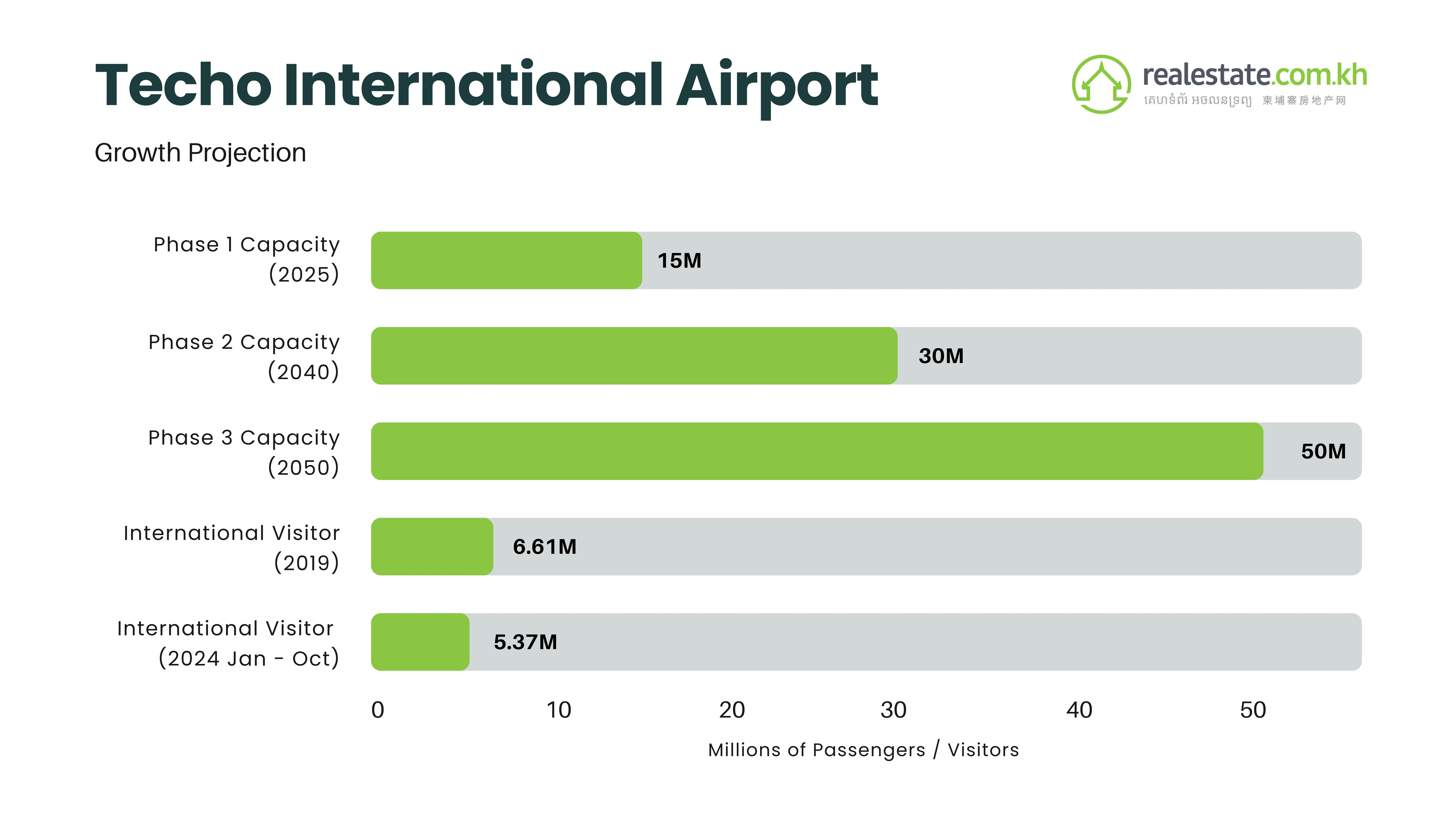
The SEZ will attract investment in logistics parks, e-commerce fulfillment centers, agro-processing plants, and light manufacturing industries, promoting diversification beyond traditional sectors. Passenger capacity is planned to grow from 15 million per year in Phase 1 to 30 million by 2030 and an impressive 50 million by 2050, further intensifying economic activity and regional integration (Airport Master Plan, 2024).
Additional reading: Cambodia's Construction Sector: Key Trends & Investment Opportunities
3. Develop the Aviation Value Chain with Skills and Services
Beyond transportation, the airport is expected to enhance Cambodia’s aviation industry depth by hosting a Maintenance, Repair, and Overhaul (MRO) center developed jointly with Singapore Airlines Engineering. This initiative will create skilled, high-paying jobs and keep aviation-related expenditures within the country, rather than outsourcing them abroad.
The MRO center will be complemented by future expansions in cargo handling, catering services, flight training academies, and ground support operations, enabling Cambodia to move up the aviation value chain and build a sustainable aviation cluster (SIA Engineering Partnership, 2024).
4. Stimulate Tourism and Trade Spillovers
Tourism is a powerful economic driver for Cambodia, with 6.7 million international visitors recorded in 2024. The new airport functions as a more efficient and larger gateway capable of attracting additional airlines and direct flight routes, improving international connectivity. Cambodia is experiencing a significant increase in direct international flight connections, featuring recently established or announced routes from Turkey, Saudi Arabia, Japan, India, South Korea, and the United Arab Emirates, alongside new destinations in China, such as Shenzhen.
Additional Reading: What’s New for Travellers in Cambodia 2025: Essential Updates
This enhanced access will not only boost visitor numbers but also facilitate foreign direct investment (FDI) scouting trips and international business travel, leading to increased trade opportunities and economic diversification.
The airport’s efficiency improvements are likely to encourage more enterprises to base their regional operations in Cambodia, thereby multiplying the economic effects of tourism through broader tradable sectors.
5. Improve Urban Development and Land Value
Airports commonly serve as anchors for new economic sub-centers and urban expansion. Phnom Penh’s Techo International Airport is no exception. Government plans include capturing increases in land value through long-term leases and developer obligations in order to finance critical urban infrastructure such as rail links, bus services, and expressways connecting the airport with the city and other economic zones.
Extra Reading: How Techo International Airport Will Boost the Economy, Travel, and Real Estate
These funds will be reinvested into public transit, utilities, and workforce development, creating a self-sustaining cycle of growth and urban modernization. The integration of the airport into a multimodal transport network is crucial to maximize its economic footprint and nurture balanced regional development (Government Infrastructure Plan, 2024).
Essential Policy Measures and Risks
To unlock the airport’s full economic potential, several policy and infrastructure priorities must be addressed:
- Seamless Connectivity: Delivery of rail and expressway links to minimize transit times and ensure smooth passenger and cargo movement.
- Trade Facilitation: Implementation of 24/7 customs clearance and single-window systems to reduce administrative delays and costs.
- Targeted Foreign Direct Investment Attraction: Focusing on sectors like cold-chain logistics, pharmaceuticals, and e-commerce that benefit from air freight capabilities.
- Aviation Cluster Development: Supporting the growth of MRO centers, flight schools, and aerospace parts distribution hubs locally.
- Transparent Governance and Financing: Utilizing public-private partnerships (PPPs) and land value capture mechanisms to finance expansions and maintain fiscal sustainability.
- Potential risks include delays in transport link construction, under-utilization if attracting airlines and cargo companies falls short, and fiscal risks if capital expenditures outpace the growth in airport traffic.
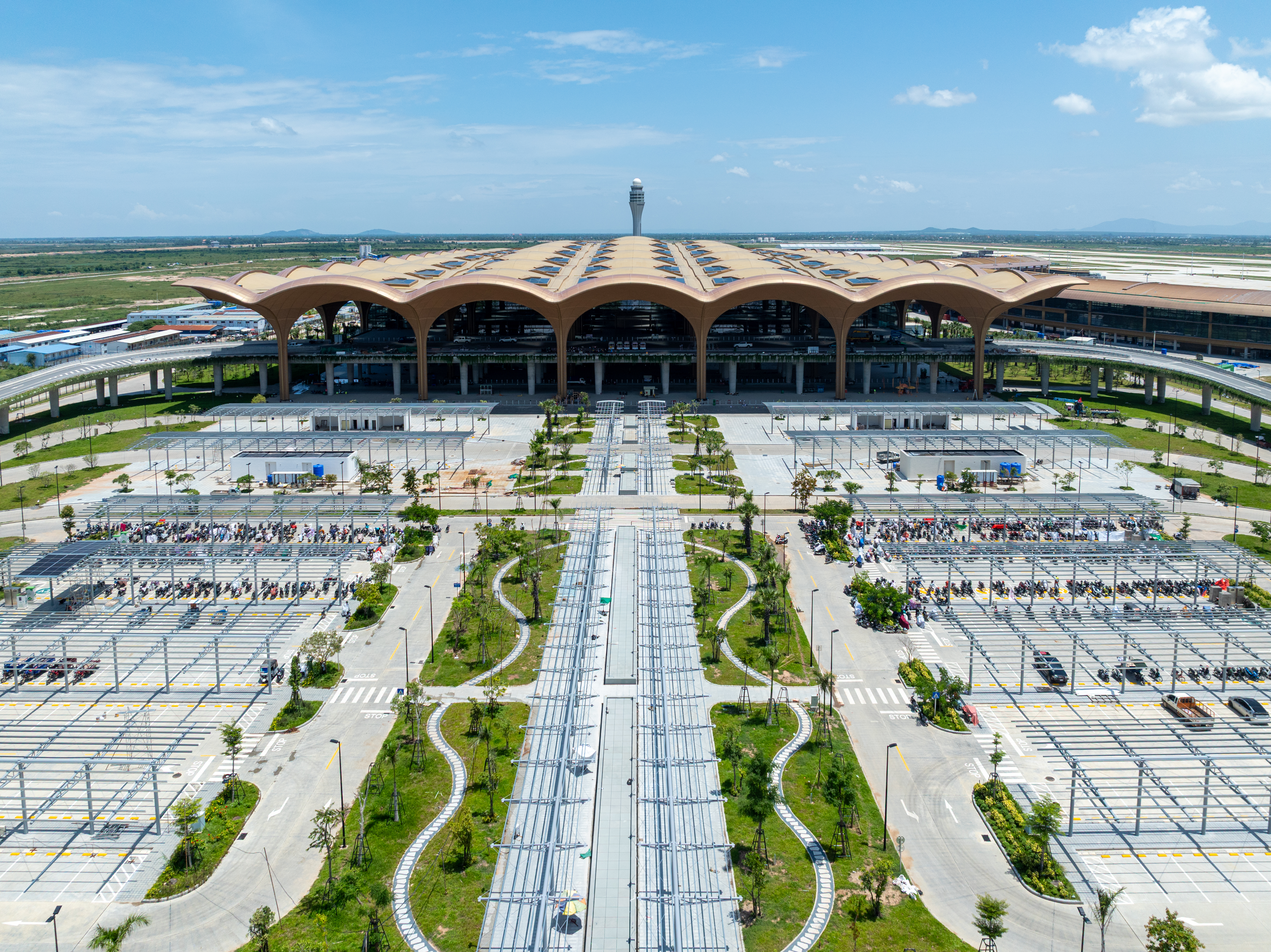
Phnom Penh’s Techo International Airport represents much more than just an architectural landmark. When combined with logistics reforms, targeted investment, and integrated transport infrastructure, it has the capacity to lower operational costs, upgrade Cambodia’s export sectors, foster aviation-related technical skills, and stimulate urban and industrial growth. This transformation will structurally enhance Cambodia’s GDP growth over the long term and establish the country as a competitive regional hub in Southeast Asia.
Check out our website at realestate.com.kh for more updates!
References
Nikkei Asia. Phnom Penh's new airport opens with the ambition to become a hub. Available at:
https://asia.nikkei.com/Business/Transportation/Phnom-Penh-s-new-airport-opens-with-ambition-to-become-hub.
SIA Engineering Company. SIA Engineering Company to form Joint Venture with Cambodia Airport Investment Co., Ltd. Available at:
https://www.siaec.com.sg/content/dam/siaec/web-assets/pdfs/press_release/30May2023.pdf.
VINCI Airports. Cambodia Airports operations. Available at:
https://www.vinci-airports.com.
World Bank. Cambodia logistics costs and LPI ranking. Available at:
https://www.worldbank.org/en/country/cambodia/publication/logistics-performance-index.