
Cambodian Property Tax Incentives & Legal Changes - What To Know
The real estate sector in Cambodia has undoubtedly been affected by external factors and the global economy, while foreign direct investment and the growth of tourism are also cont…
ค้นหาตามอสังหาฯ
ค้นหาตามพื้นที่
ค้นหาตามพื้นที่
The real estate sector in Cambodia has undoubtedly been affected by external factors and the global economy, while foreign direct investment and the growth of tourism are also cont…
The real estate sector in Cambodia has undoubtedly been affected by external factors and the global economy, while foreign direct investment and the growth of tourism are also contributing factors.
The pivot and shift in buyers, the supply of real estate, and market corrections have combined to see the Cambodian government address the issues by introducing or extending tax incentives while Sihanoukville has its own packages of stimulus.
Prime Minister Hun Manet has already said the extension and addition of tax incentives until the end of 2025 will help housing developers and property owners with the hope that the range of introduced measures will also drive the growth of the real estate sector in the country which has been lagging behind other sectors and experiencing a period of corrections.
The Cambodian Prime Minister said, “I hope that this tax incentive will support and create favourable conditions for housing developers, investors and all property owners to contribute to the Royal Government’s agenda to develop the real estate sector and help the Cambodian economy grow stronger.”
The Cambodian Ministry of Economy and Finance reported that the Kingdom’s real estate sector in 2024 is expected to grow at a pace of around 1.2 per cent. (You can read more on the progress made by the end of H1 2024).
Cambodia’s construction sector attracted a total of $2.53 billion in investment capital in the first half of 2024 according to a report from the Ministry of Economy and Finance (MEF) and the
The Ministry of Land Management, Urban Planning and Construction reported that the Cambodian government licensed 1,642 construction projects during the January-June period - both of these experienced declines compared to comparable data from 2023.
The approved projects include housing development, condominiums, industrial and commercial areas, resorts, tourism and hotels.
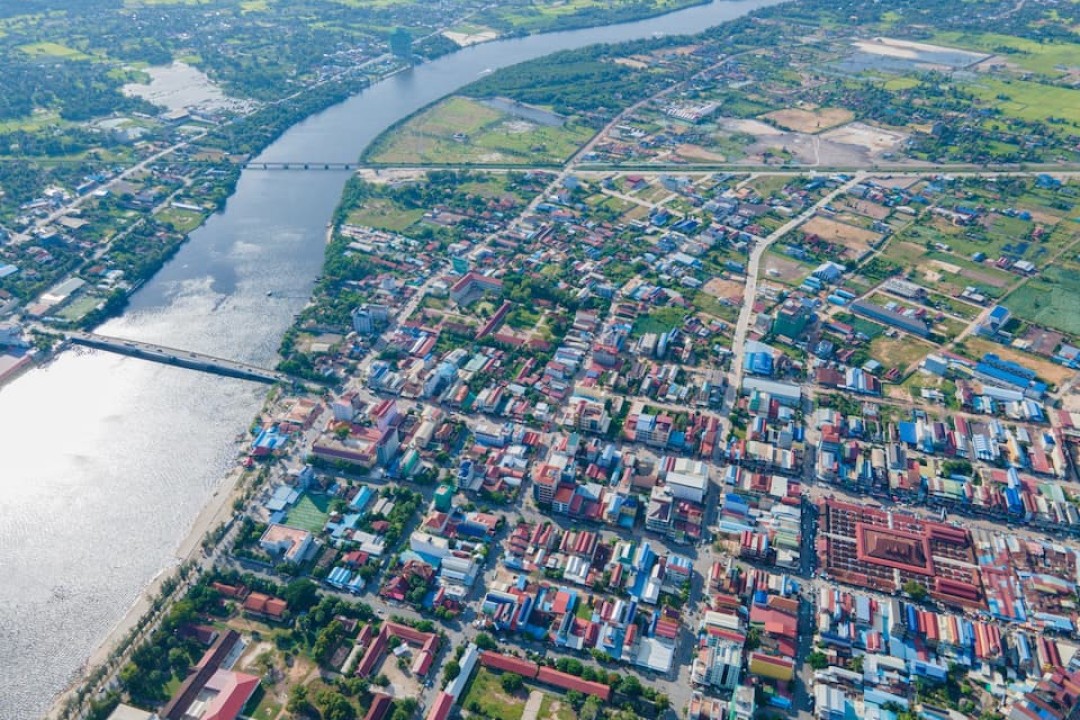
These tax incentives are part of a broader strategy by the Cambodian government to create a more favourable business environment, encouraging investment in real estate and contributing to economic recovery and growth across various sectors.
Ministry of Economy and Finance (MEF) issued Notification No. 014 outlined the tax incentives in October 2024:
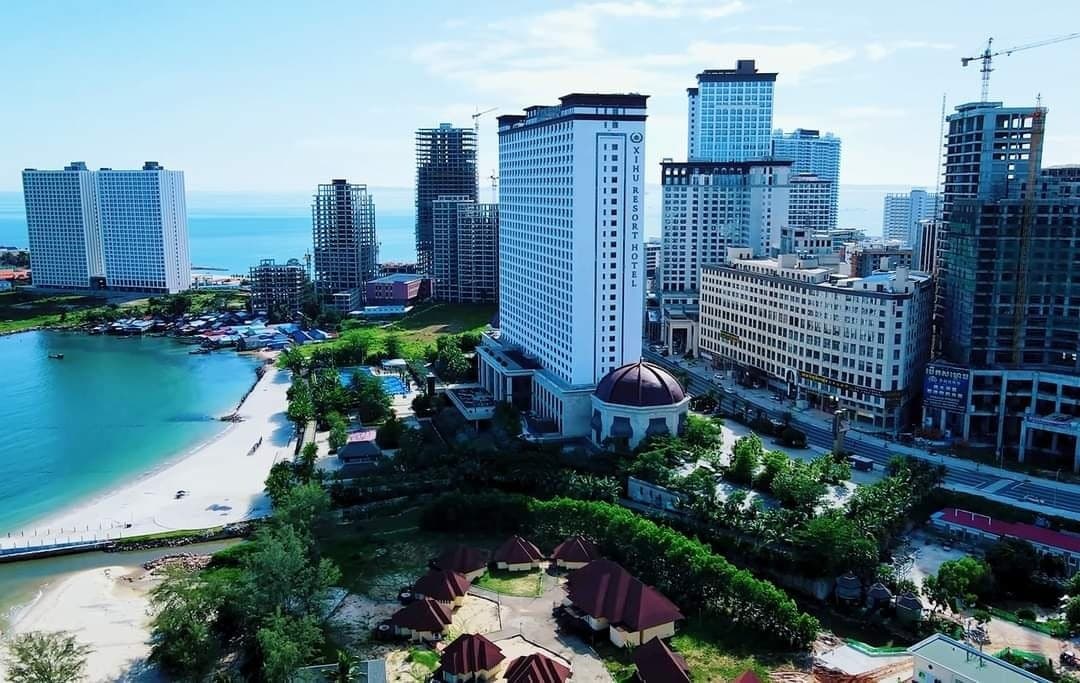
The special program to Promote Investment in Preah Sihanouk Province was launched at the start of 2024 and by October, 165 previously stalled projects had been revitalised under the Sihanoukville Investment Promotion Team’s incentives programme.
These include various micro, small, medium, and large initiatives from local and foreign companies.
In addition to the digitalised procedures for applying for professional certificates and licenses to conduct real estate service business in Cambodia, some of the Key legal updates for 2024 in the Kingdoms property and real estate include:

These combined comprehensive tax relief and exemption measures as well as amendments to the legalities of construction are intended to modernise and support Cambodia’s real estate sector while also stimulating investment, and instilling confidence in encouraging property ownership.
The property and real sector and the Cambodian government hope to alleviate financial burdens on property owners and developers and there is a diversification in the scope of the foreign investors and buyers while a focus on affordable housing, agricultural land, and long-term investment should help stabilise the sector and promote sustainable development in Cambodia.
ตัวเลขเหล่านี้มาจากประกาศจริงที่อัปเดตทุกวัน เริ่มค้นหาได้ที่นี่
ค้นหาบ้านทั้งหมด › How Long Does It Take to Buy Property in Cambodia? A Complete Timeline
 Overview Of Cambodian Real Estate Regulation Updates 2024
 15 Reasons to Relocate to Phnom Penh: A Guide to Living in Cambodia's Capital