
The Definitive Guide to Off Plan Property
Are you looking to invest in real estate but unsure where to start? You might come across terms like off-plan property or new developments without understanding the meaning behind…
ค้นหาตามอสังหาฯ
ค้นหาตามพื้นที่
ค้นหาตามพื้นที่
Are you looking to invest in real estate but unsure where to start? You might come across terms like off-plan property or new developments without understanding the meaning behind…
Are you looking to invest in real estate but unsure where to start? You might come across terms like off-plan property or new developments without understanding the meaning behind them. In this article, Realestate.com.kh will walk you through everything you need to know about off-plan property investments, their advantages and risks, and where to find reliable projects in 2025.
An off-plan property refers to real estate that is sold before construction has begun, or while construction is still in progress. The concept of off-plan property is based on the idea that buyers can secure a property at a lower price than if they were to wait until it is completed. You sign a contract indicating a purchase price for the land and a house to be built from a specific set of architectural plans.
Developers offer discounts and incentives to early buyers to secure funding for construction.These incentives often include flexible payment plans, guaranteed rental returns, and customization options. This type of purchase is particularly popular among investors looking for capital appreciation and homebuyers seeking affordable entry points into the real estate market.
The key advantage of the off-plan property is that buyers have the opportunity to customize their property to their liking. This can include selecting finishes, fixtures, and appliances, and making changes to the layout and design of the property. Another benefit of the off-plan property is that buyers can benefit from potential capital appreciation. As the property is being built, its value may increase, providing the buyer with an opportunity to make a profit if they choose to sell before completion. This is particularly true in areas where property prices are rising rapidly, such as in emerging markets and in areas where there is high demand for new housing.
Despite its many advantages, the off-plan property does come with some risks. For example, there is always the possibility that the development may be delayed or even cancelled, leaving buyers with a property that they cannot occupy or sell. Additionally, buyers may be required to make payments in instalments throughout the construction process, which can be a financial burden if they are unable to secure financing or if their circumstances change. It is preferable to have pre-agreements with the developer prior to signing your Sales and Purchase Agreement (SPA), and legal advice.
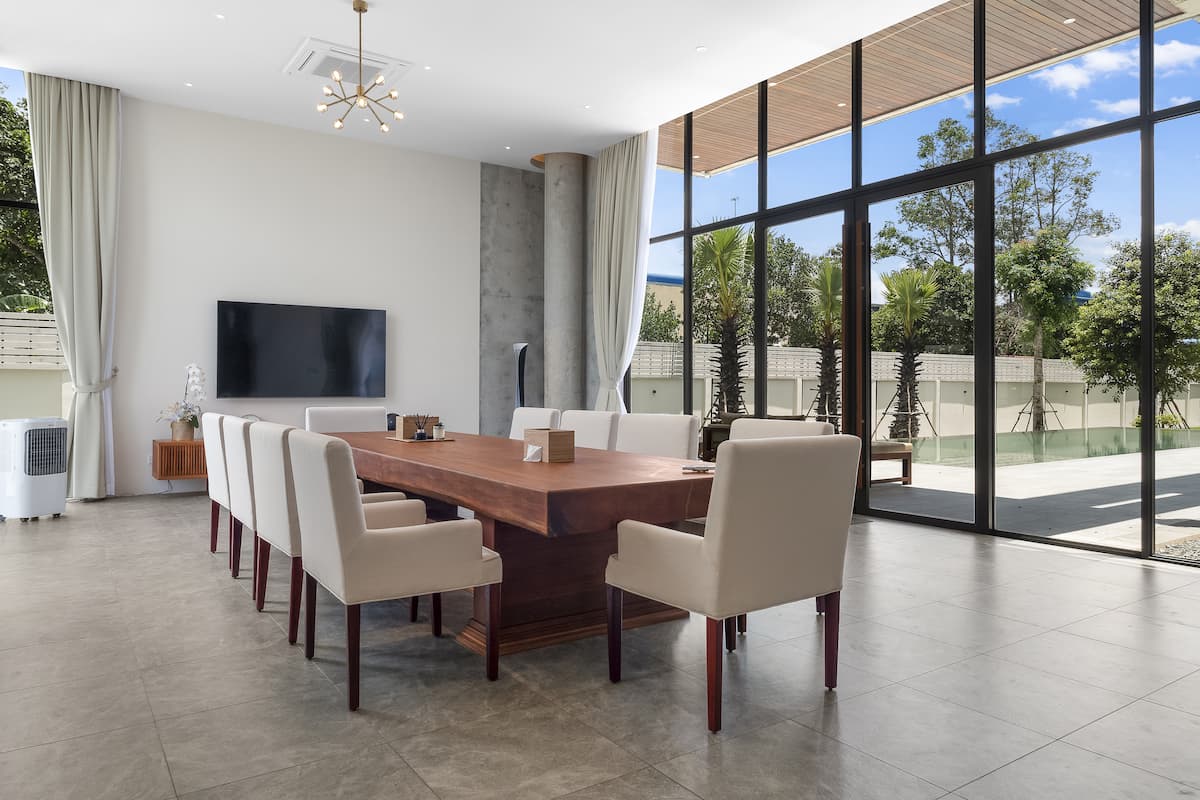
This stage of development where buying-off plan deals get offered is called pre-launch. The developer is still in the process of confirming plans, obtaining permits, and performing an Environmental Impact Assessment. However, even at this early stage, they need money in order to move the project forward. Because buying at this point involves a long wait for the property to be completed and more risk than at a later stage, they typically offer incentives to early buyers. In addition to price breaks, they may offer guaranteed rental returns, financing options, opportunities to customize the early units and other perks.
When the contract is signed, the buyer must make a deposit. The amount of the deposit may be 10-30% at this stage. Beyond that, the exact process differs from one country to another and even from one developer to another. This process involves a lot of flux. The plans may end up being changed, sometimes without the buyer's knowledge.
The costs may end up going up for reasons that seem mysterious, especially if you are buying as a foreign national. Sometimes, the developer has at least one unit already completed as a showcase of their work. In such cases, they typically allow a walk-through so buyers can get a good feel for what to generally expect. It is wise to not expect your completed unit to be exactly like the showroom.

You do need to be willing and able to wait a bit, but there is no hard and fast rule as to how long. Some developments get completed in as little as a year. Others can take up to four years. Your sales contract should spell out the expected date of completion, as well as details about what happens if that target date is missed. In some places, laws are in place that automatically require the builder to pay penalties even if the contract does not provide for them.
Off-plan properties are more complicated than post-construction real estate deals. They involve more risk and more variables. Especially if you are a foreign national, there can be a great many laws and details that impact the sale and that you are unaware of. For starters, many countries have a cooling-off period. This means you have the legal right to change your mind after signing the contract and back out of the deal. The length of time you have to decide this can differ from place to place and how much it will cost you can also differ. The development may not actually be completed. Doing your own due diligence to see if the developer has a good track record and working with a lawyer are the best ways to protect yourself from this worst-case scenario.
The finished unit may differ from the plans. Sometimes the difference is for a good reason, such as resolving a defect in the plan that the developer was unaware of at the time of signing. Sometimes it is due to human error or oversight. The contract may allow the developer to make limited, reasonable changes without your permission, but substantial changes without your permission are often prohibited.
Talking to a lawyer about what is typical and customary in this jurisdiction can help you understand the scope of what to expect. Another tricky thing that should be discussed with your lawyer if offered to you is Guaranteed Rental Returns (GRR). In cases where the underwriting guarantee is merely a paper promise, they can be unreliable. A good lawyer can read through it and get an idea of whether this detail is something of real value or not. Read more about the best advice on GRR, from Realestate.com.kh here!
A few additional practical details:
Before diving in, you can check out realestate.com.kh, which collaborates with licensed developers operating in the market to bring you reliable projects.
Happy hunting for your dream investment property!

ตัวเลขเหล่านี้มาจากประกาศจริงที่อัปเดตทุกวัน เริ่มค้นหาได้ที่นี่
ค้นหาบ้านทั้งหมด › How Long Does It Take to Buy Property in Cambodia? A Complete Timeline
 Overview Of Cambodian Real Estate Regulation Updates 2024
 15 Reasons to Relocate to Phnom Penh: A Guide to Living in Cambodia's Capital