
Cambodia’s Pentagonal Strategy: Summary and Implications for 2025
Cambodia’s Pentagonal Strategy is a national development plan introduced by Prime Minister Hun Manet during his government’s seventh mandate. The strategy is designed to drive sust…
ค้นหาตามอสังหาฯ
ค้นหาตามพื้นที่
ค้นหาตามพื้นที่
Cambodia’s Pentagonal Strategy is a national development plan introduced by Prime Minister Hun Manet during his government’s seventh mandate. The strategy is designed to drive sust…
Cambodia’s Pentagonal Strategy is a national development plan introduced by Prime Minister Hun Manet during his government’s seventh mandate. The strategy is designed to drive sustainable growth, address socio-economic challenges, and position Cambodia as a competitive player in the global economy. Structured around five key pillars, the strategy focuses on economic resilience, social equity, environmental sustainability, governance, and balanced development between urban and rural areas. Phase 1 of the strategy, spanning 2023 to 2028, serves as the foundation for long-term transformation, emphasizing critical reforms, infrastructure expansion, and investment in human capital.
Overview of the Pentagonal Strategy - Phase I
The Pentagonal Strategy - Phase I of Cambodia is a comprehensive framework aimed at guiding the country's socio-economic development over the next 25 years. It comprises five strategic objectives, each referred to as a "pentagon," which focus on critical areas of growth and development.
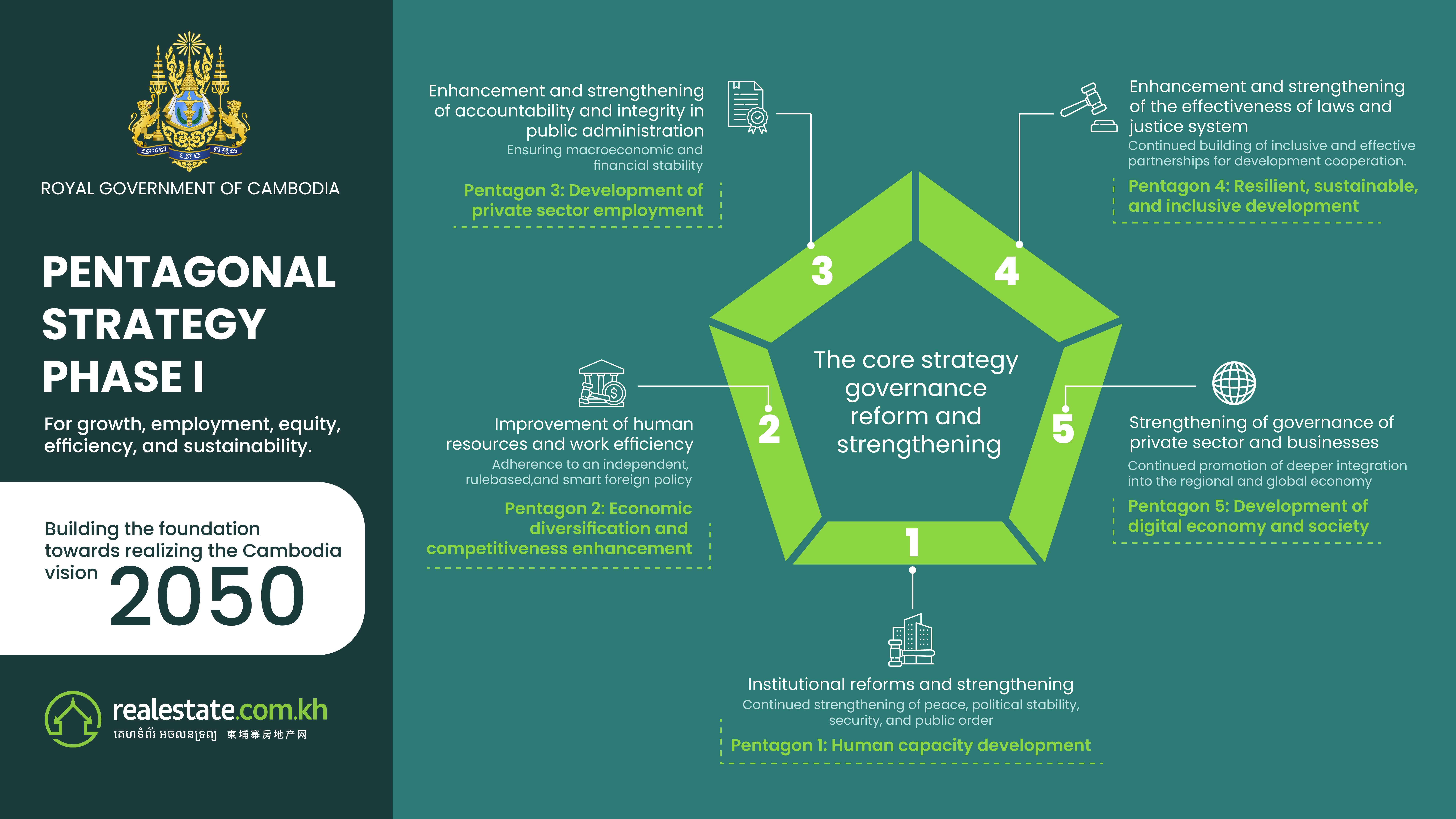
At its core, the Pentagonal Strategy aims to create a diversified and resilient economy, reduce poverty, and enhance living standards for Cambodians. It prioritizes strengthening key industries such as agriculture, manufacturing, and real estate while fostering innovation and digital transformation. Social equity remains a focal point, with initiatives to improve access to education, healthcare, and affordable housing.
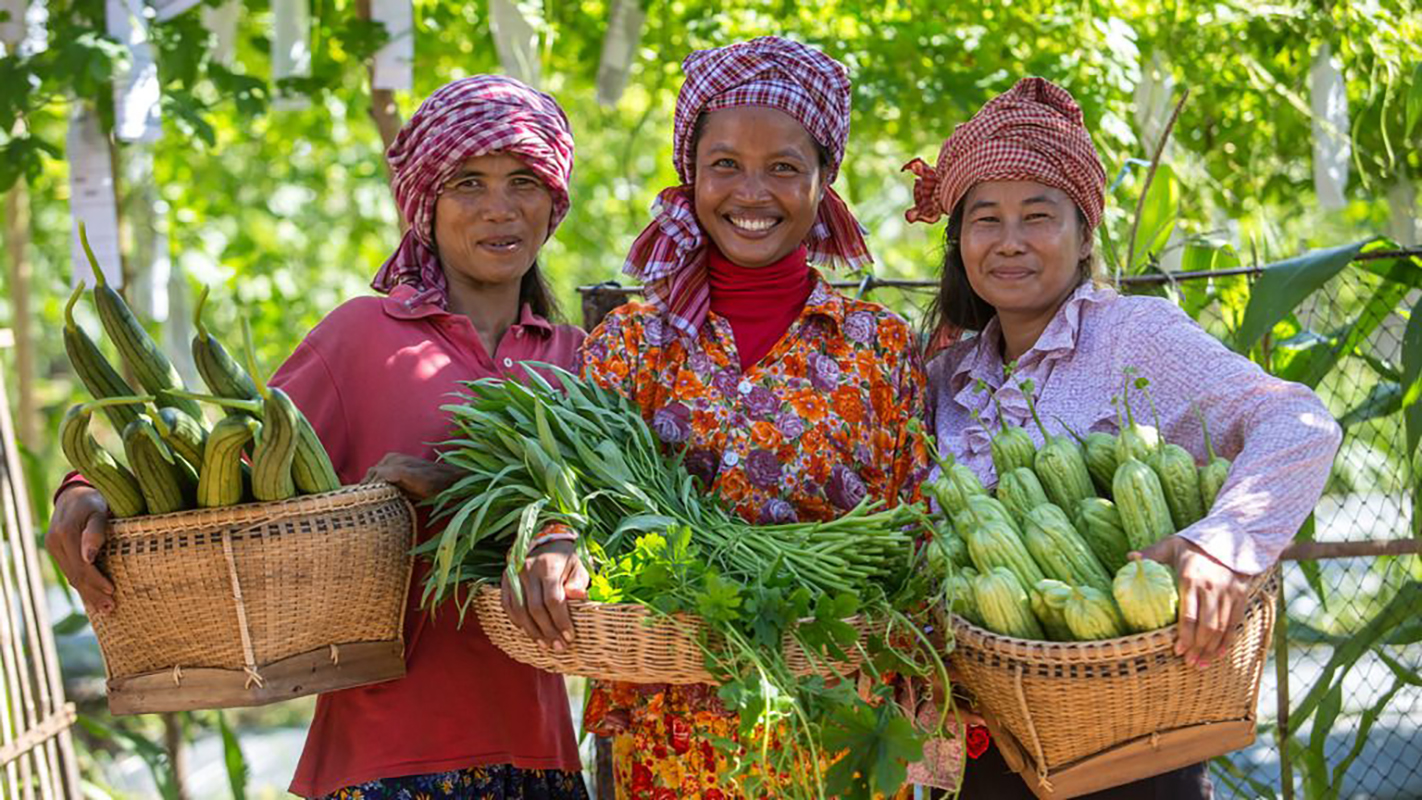
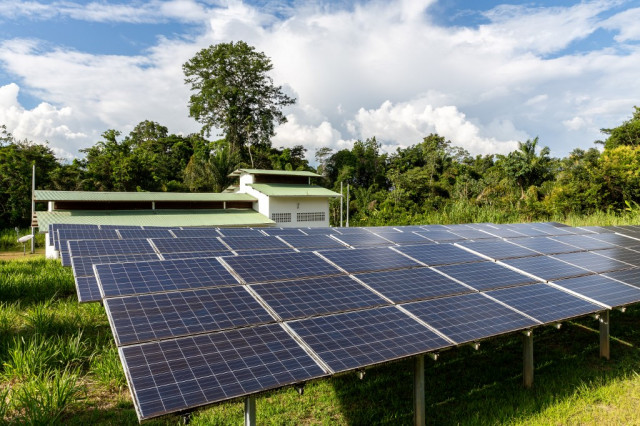
Along with steps to preserve Cambodia's natural resources, cut carbon emissions, and support renewable energy initiatives, environmental sustainability is also essential. At the same time, the approach aims to improve governance by strengthening institutions, increasing transparency, and reforming regulations to ensure proper policy implementation.

By 2025, significant progress is expected in various sectors under Phase 1. Major infrastructure projects, such as the completion of the new Techo International Airport in Kandal province, are set to improve connectivity and drive economic growth. This new airport, expected to handle millions of passengers annually, will enhance Cambodia’s position as a regional transport hub, boosting tourism and trade. The development of sectors including real estate, agriculture, and tourism will be the main focus of economic development initiatives, which will be supported by regulations that empower regional companies and draw in foreign direct investment.
Regulatory reforms aimed at simplifying processes for business registration, land ownership, and investment licensing are expected to create a more business-friendly environment. For instance, the Ministry of Land Management, Urban Planning, and Construction (MLMUPC) introduced an online portal to streamline land registration and ownership transfers. This digital platform reduces bureaucratic delays, increases transparency, and provides easy access for citizens and investors to manage property-related transactions. In addition, sustainability initiatives, including renewable energy projects and stricter controls on deforestation and land use, will align Cambodia with global environmental standards.
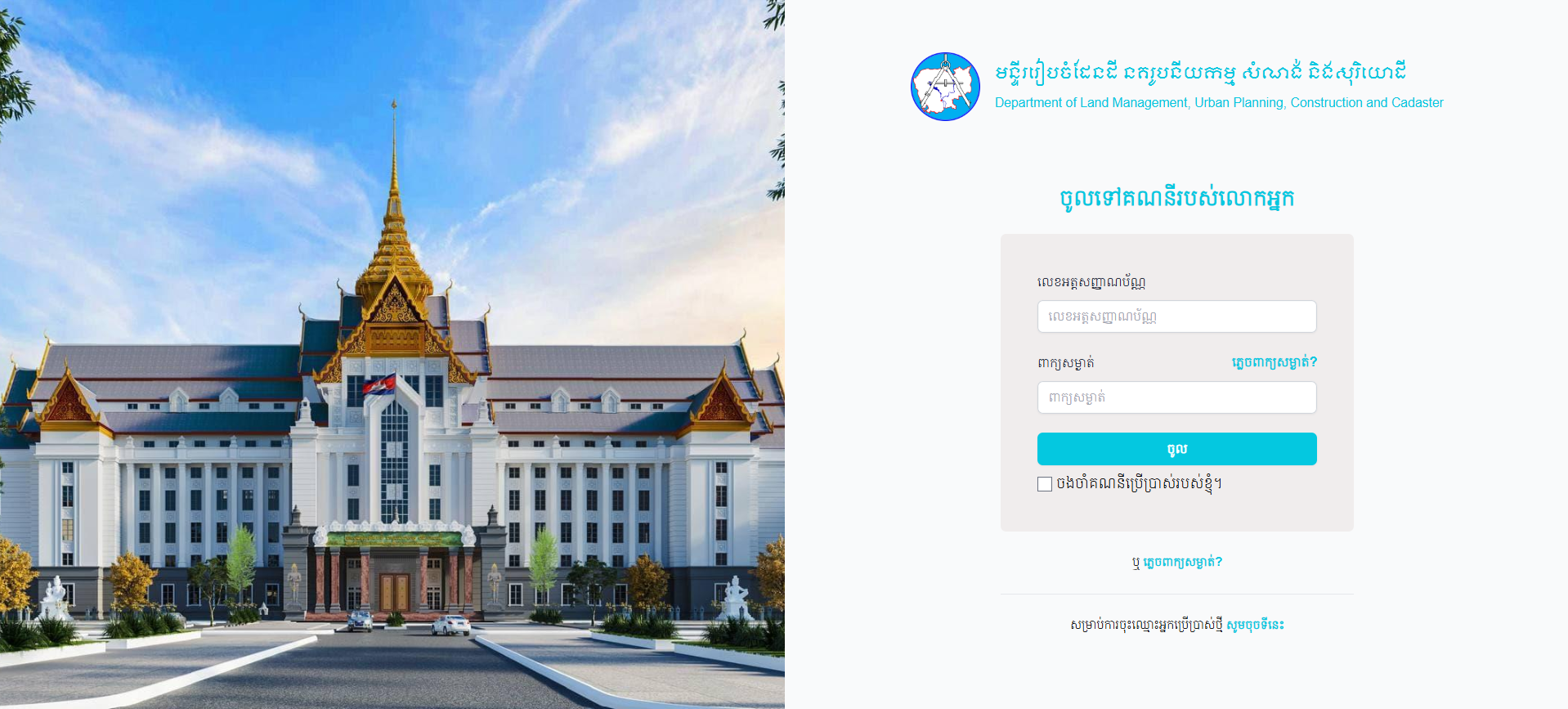
(online portal launched by the Ministry of Land Management, Urban Planning, and Construction)
The Pentagonal Strategy has a huge impact on Cambodia. Anticipated outcomes include improving living conditions, job creation, and closing the development gap between urban and rural areas. Increased economic stability will result from infrastructure development and economic diversification, which will also increase productivity and lessen dependency on established industries. Cambodia presents itself as a progressive country that could achieve a balance between balancing growth with ecological preservation by emphasizing environmental sustainability. Stronger public-private partnerships and increased investor trust are two benefits of the strategy's focus on governance and transparency.
With growing demand for residential and commercial properties driven by urbanization and infrastructure improvements, the sector is aiming toward a significant growth. Affordable housing initiatives and regulatory reforms will make property ownership more accessible, benefiting both buyers and developers.
Platforms like Realestate.com.kh can play a vital role by providing reliable property listings, market insights, and professional services to connect buyers, sellers, and investors. By leveraging its expertise, Realestate.com.kh can support Cambodia’s real estate industry in aligning with the Pentagonal Strategy’s goals, fostering sustainable growth, and contributing to the nation’s development vision.
If you want to know more about Cambodia, contact us via-
📞+855 92 92 1000
📧 info@realestate.com.kh
ตัวเลขเหล่านี้มาจากประกาศจริงที่อัปเดตทุกวัน เริ่มค้นหาได้ที่นี่
ค้นหาบ้านทั้งหมด › How Long Does It Take to Buy Property in Cambodia? A Complete Timeline
 Overview Of Cambodian Real Estate Regulation Updates 2024
 15 Reasons to Relocate to Phnom Penh: A Guide to Living in Cambodia's Capital