US Backs Techo International Airport with $100 Million Financing Commitment, Signaling Growing Confidence in Cambodia's Infrastructure Future
Highlights: US DFC commits $100 million to Techo International Airport refinancing Part of a broader $2.5 billion strategic investment initiative across the region Signals growing…
US DFC commits $100 million to Techo International Airport refinancing
Part of a broader $2.5 billion strategic investment initiative across the region
Signals growing international confidence in Cambodia's infrastructure and economic future
Expected to strengthen aviation connectivity, tourism, and investment opportunities in Phnom Penh's southern growth corridor
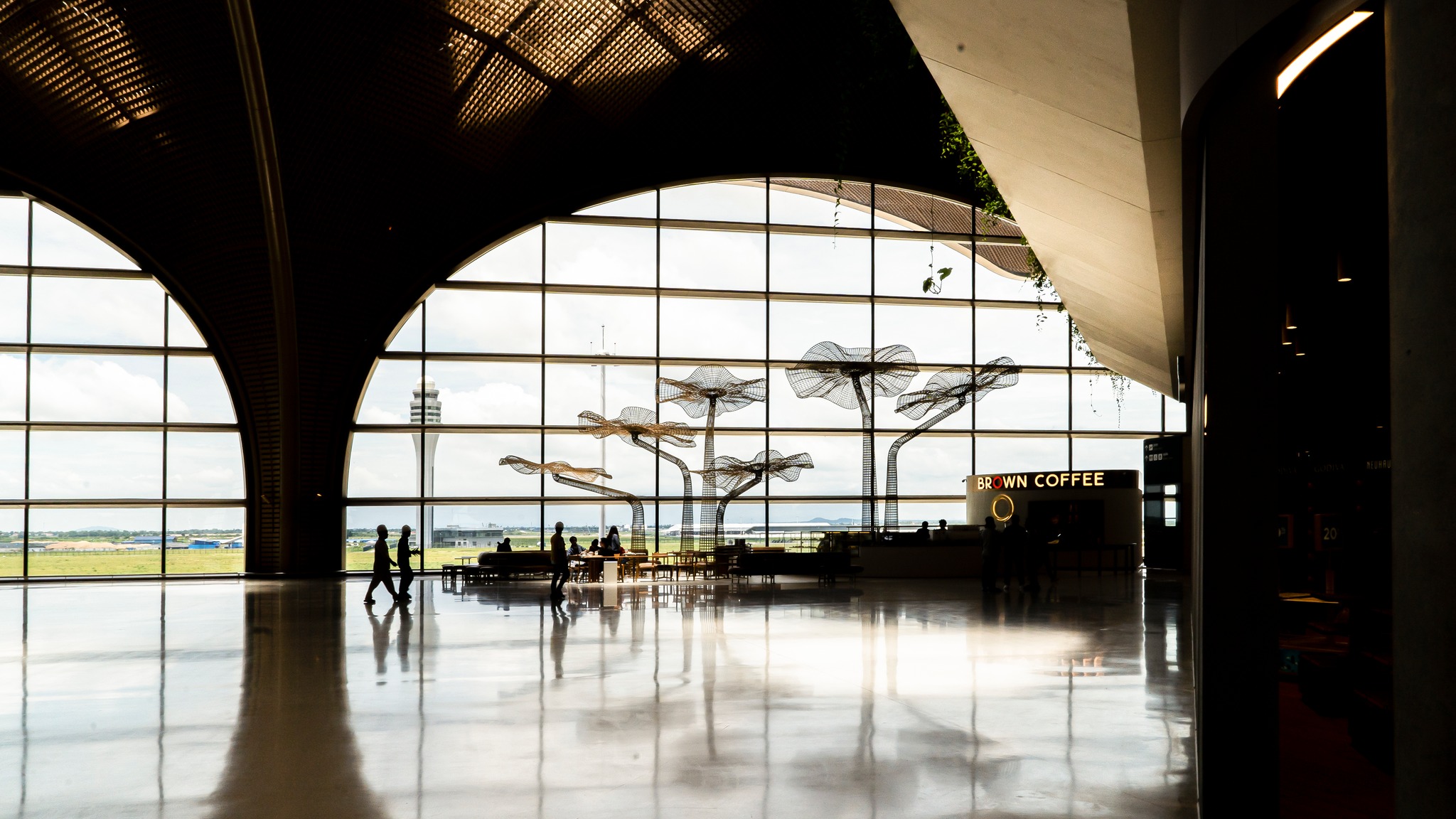
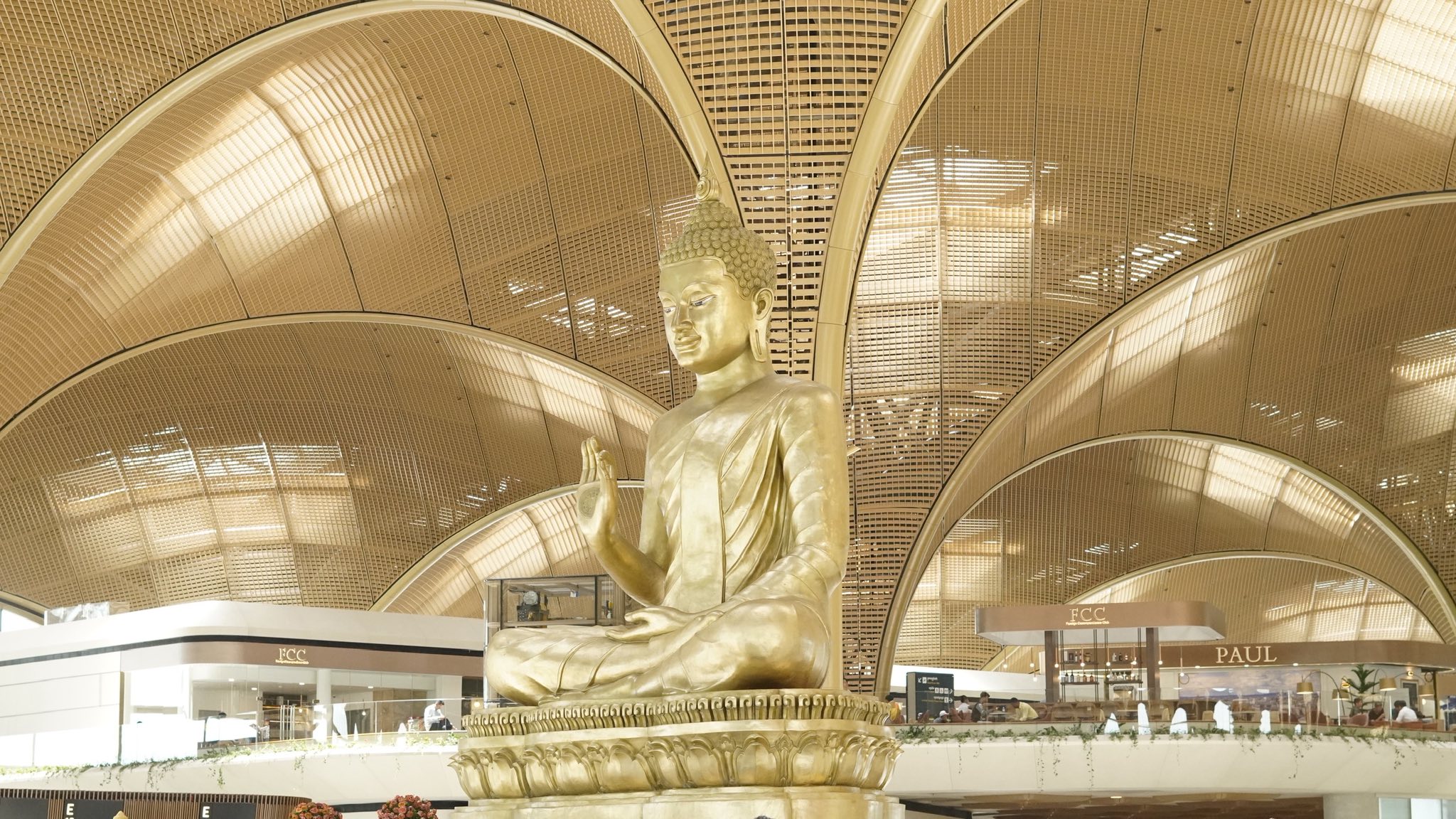
Techo International Airport (TIA), Cambodia's newest and largest aviation infrastructure project, has received a major vote of confidence from the United States following a $100 million strategic financing commitment from the U.S. International Development Finance Corporation (DFC).
The financing forms part of a broader $2.5 billion package of strategic investments approved by the DFC across key global infrastructure and development projects. According to the DFC, the investment will support the refinancing of Techo International Airport and strengthen Cambodia's aviation infrastructure while promoting economic growth, trade, and regional connectivity.
The announcement marks a significant milestone not only for the airport itself, but also for Cambodia's broader ambitions to position itself as a regional transportation, tourism, and investment hub.
A Landmark Project for Cambodia
Located south of Phnom Penh, Techo International Airport is one of the country's most ambitious infrastructure developments. Developed by Cambodia Airport Investment Co. (CAIC), a joint venture led by OCIC, the project was designed to replace Phnom Penh International Airport and accommodate Cambodia's long-term growth in passenger traffic and international connectivity.
The airport's first phase represents an investment of approximately $1.5 billion and has been designed by renowned architecture firm Foster + Partners. Once fully operational, it is expected to handle up to 15 million passengers annually in its initial phase, with future expansion planned to significantly increase capacity.
The DFC's commitment follows more than two years of due diligence, including reviews of the project's technical feasibility, operations, environmental standards, and social impact assessments. According to Kiripost, the financing remains subject to standard approval processes before final commitment and closing.
While the $100 million commitment represents only a portion of the airport's overall development cost, the significance lies in who is making the investment.
The DFC serves as the U.S. government's development finance institution and typically supports projects that align with long-term economic and strategic priorities. Its participation signals confidence in both the project's viability and Cambodia's future growth potential.
The investment also highlights growing economic cooperation between Cambodia and the United States at a time when Southeast Asia continues to attract increasing global attention due to its rising consumer markets, expanding middle class, and strategic location within regional supply chains.
According to the DFC, the airport investment is intended to enhance Cambodia's aviation infrastructure while creating broader opportunities for trade, investment, and economic development!
For Cambodia, improved aviation infrastructure is closely tied to future economic growth.
As international tourism continues its recovery and business travel across ASEAN expands, larger and more modern airport facilities are increasingly important in attracting airlines, investors, conferences, and international events.
Techo International Airport is designed to accommodate larger aircraft and increased flight frequencies, allowing Cambodia to strengthen its position as a gateway to destinations such as Phnom Penh, Siem Reap, Sihanoukville, and emerging tourism areas throughout the country.
The airport's development also comes amid efforts to improve international aviation connectivity. Recent discussions around expanded air service agreements and regional travel growth suggest that Cambodia could benefit from stronger links to major global markets over the coming decade.
Major infrastructure projects have historically played a significant role in shaping real estate markets.
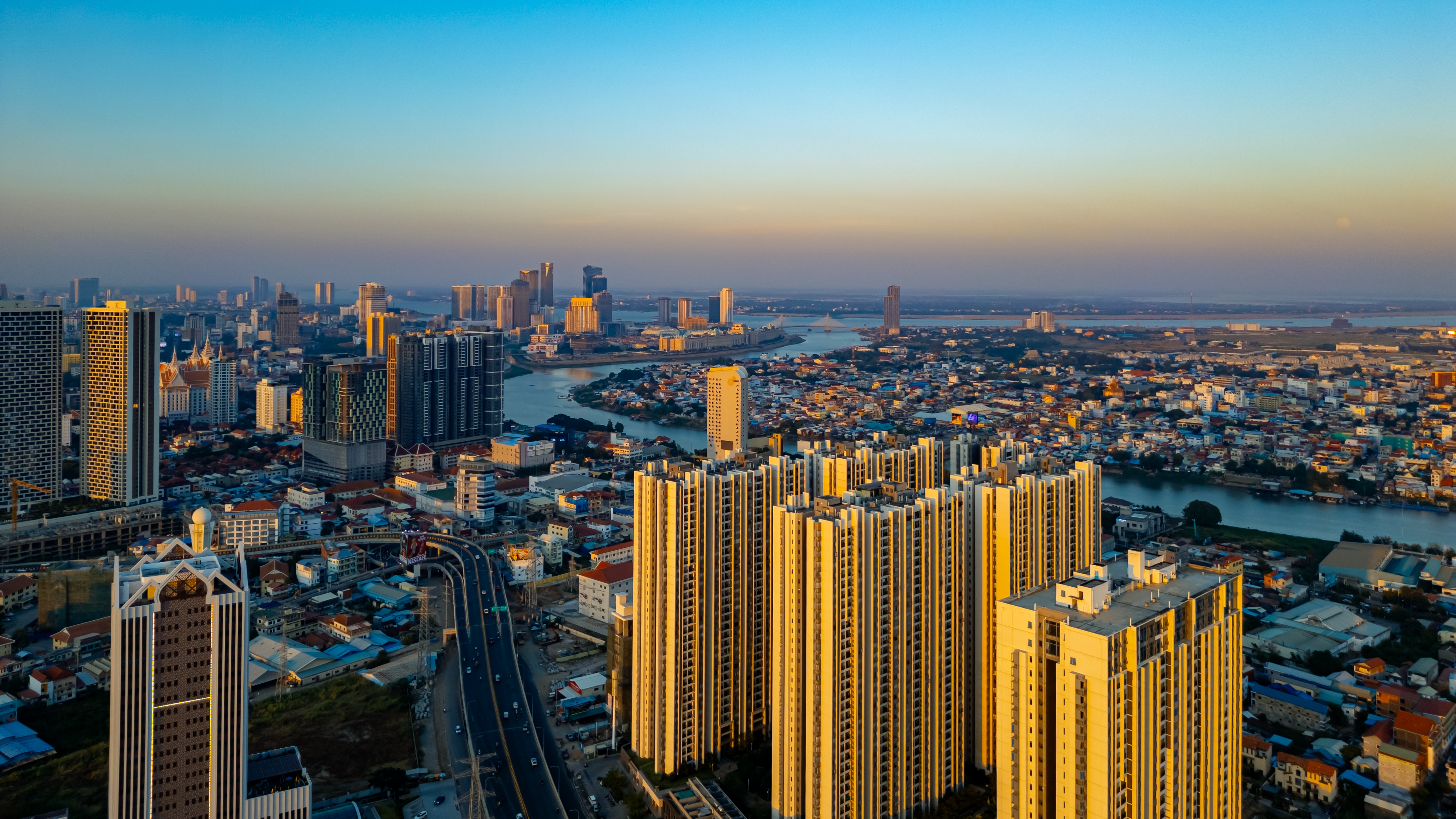
The development of Techo International Airport has already contributed to increased investor interest in southern Phnom Penh, Kandal Province, and surrounding growth corridors. Improved transportation links often create opportunities for logistics facilities, commercial developments, hospitality projects, industrial parks, and residential communities.
Areas located along major access routes to the airport may continue to benefit from infrastructure upgrades and increased business activity as passenger traffic grows.
In addition, the airport is expected to support Cambodia's broader economic development goals by strengthening trade connectivity and improving the country's attractiveness to foreign direct investment.
Growing Confidence in Cambodia's Long-Term Outlook
The DFC financing commitment arrives at a time when Cambodia is undertaking some of its largest infrastructure investments in decades, including new transportation networks, logistics corridors, industrial zones, and urban development projects.
The decision by a U.S. government-backed institution to participate in the financing of Techo International Airport reflects growing international confidence in Cambodia's long-term development trajectory. For investors, businesses, and property stakeholders, the announcement serves as another indication that large-scale infrastructure remains a central driver of Cambodia's economic transformation.
For more in-depth analysis of the trends driving Cambodia's property market, stay connected with Realestate.com.kh!