
为什么柬埔寨房产交付后,不建议拖延办硬卡?
为什么柬埔寨房产交付后,不建议拖延办硬卡?
为什么柬埔寨房产交付后,不建议拖延办硬卡?
Recently, many property owners have entrusted Cambodian real estate website Realestate.com.kh to sell their properties. During our communication with these owners, we discovered a concerning issue: some owners did not promptly complete the title transfer after property handover, nor did they receive their own individual title deed.
Some homeowners stated that due to a lack of understanding of Cambodian real estate market policies and the lack of clear notifications from developers or property management companies over a long period, they gradually overlooked the matter. Other homeowners, considering the possibility of future sales, hoped to directly transfer the property to a new buyer to save approximately 4% in stamp duty, and therefore chose not to process the transfer for the time being.
In addition, some homeowners have not yet received their hard keys due to reasons such as not having paid their full purchase price, not being in Cambodia for extended periods, or the developer's slow progress.
During the home buying process, developers or agents often mention "hard title" to buyers. In apartment projects, the professional term is "strata title."
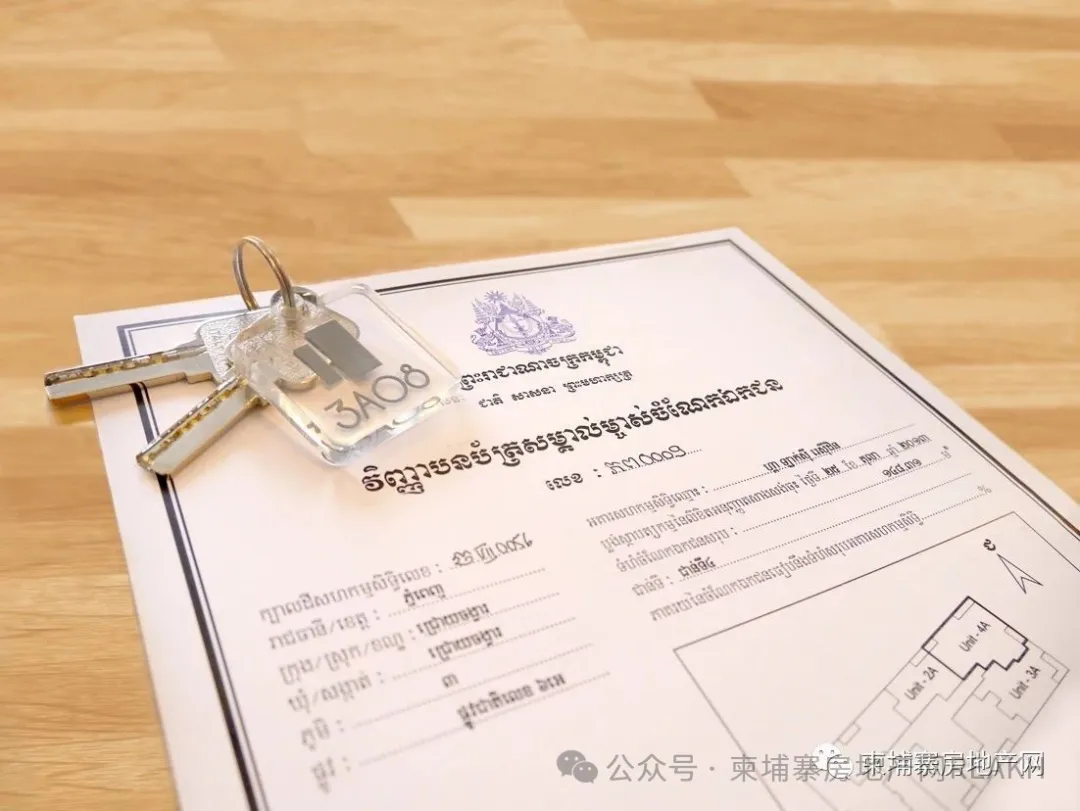
Strata title is a form of property ownership issued by the Cambodian Ministry of Land Management, Urban Planning and Construction (MLMUPC), and is a type of hard title. It is mainly applicable to individual units in condominium buildings (such as apartments, office buildings, or mixed-use developments).
Simply put, the entire apartment building originally belonged to a single property owner. Once the project meets certain conditions, the developer can apply to divide the building's ownership into multiple independent units. Each apartment corresponds to an independent property certificate, which is what buyers often refer to as the "apartment hard title deed."
Many buyers believe that they can get the hard title deed immediately after paying the full amount or after the house is handed over. In reality, the subdivision of an apartment hard title deed requires a complete process.
Cambodia Real Estate Network previously shared this process with everyone:
At the initial stage of a project, the developer must possess a "hard title" to the land, which is a necessary prerequisite for legal development and subsequent division of property rights.
Secondly, developers must submit necessary documents such as the overall project plan, public area management plan, and insurance certificates, which will be reviewed and approved by the Ministry of Land Planning and Construction.
After that, the project needs to reach a certain construction stage—initially, the requirement was full completion (including decoration), but later, due to market demand, it was adjusted to "structural completion" before applying for property cards (i.e., hard cards) to be divided into multiple units.
Therefore, even if the buyer has already taken possession of the property, renovated it, or even moved in, the owner still cannot immediately obtain an independent hard title deed before the developer has completed the division of the property rights.
The actual processing time varies from project to project. Most projects will notify the owners to complete the transfer of ownership within a certain period after the handover of the property, while some projects may take one to two years or even longer.

Many homeowners believe that as long as they have the sales contract and proof of payment, they are safe enough. However, from an asset protection perspective, if the property has not been transferred to their name for a long time, there may still be certain risks.
First, the longer the process takes, the higher the communication costs.
Many overseas property owners do not reside in Cambodia long-term. Over time, they may lose contact information with the developer or property management company, or encounter issues such as staff changes, delayed notifications, or a lack of follow-up by the owner, leading to repeated delays in the property title transfer process. By the time owners realize the problem, they find themselves unclear about the required documents and procedures, and unsure of who to contact for assistance. Incomplete name transfers can also affect subsequent sales, as buyers, lawyers, or banks may request additional documentation, further prolonging the transaction and potentially impacting confidence in the sale.
Second, the risk of "selling one card twice" in extreme individual cases.
In extreme cases, there is a risk of duplicate transactions or property disputes. If project management is not standardized, or if the developer has serious integrity issues and sells hard-sell properties that have not yet been transferred to a second buyer at a low price, the original buyer may face the risk of the property being registered by someone else, damage to their property rights, or even the need to take legal action to protect their rights without their knowledge.
Third, market risk events remind investors to be vigilant.
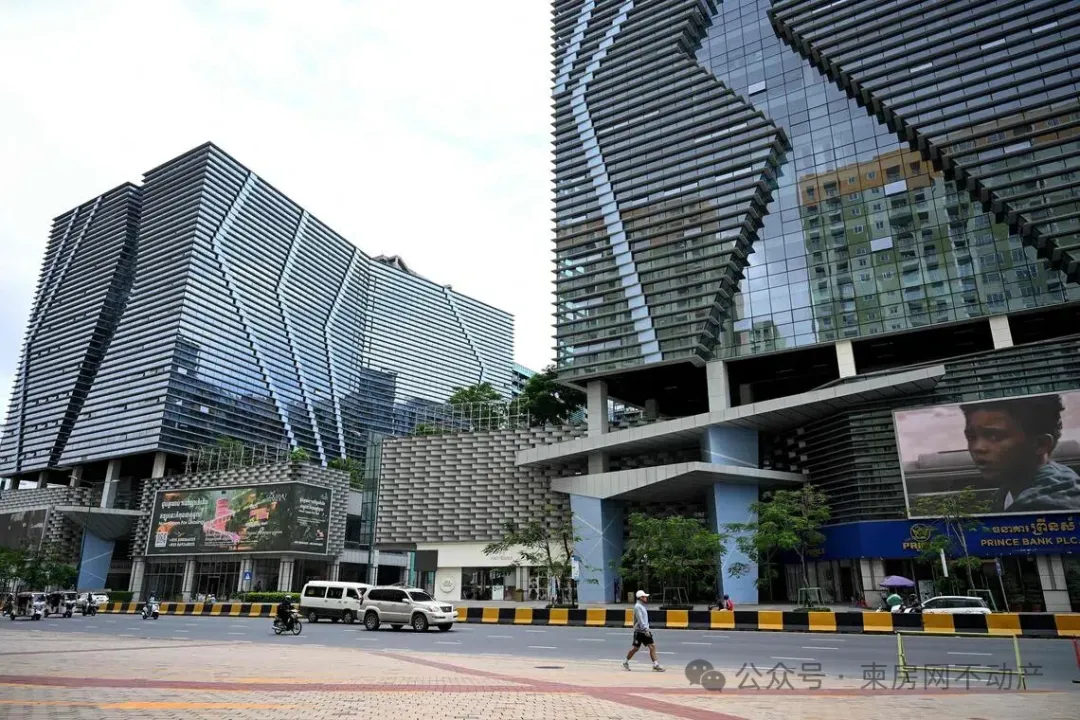
Recent events surrounding the Prince Properties project serve as a stark reminder for property investors. Buyers who haven't yet obtained their individual hard title deeds may face greater uncertainty if the developer or project owner encounters significant legal, financial, or compliance issues. Conversely, owners who have already obtained their individual hard title deeds from the Cambodian Ministry of Land and Resources and completed property registration typically find it easier to legally prove their right to the property.
First, choose a reputable developer.
When buying a house, prioritize developers with a good market reputation, development experience, and a stable background. Don't just look at price discounts; also pay attention to the developer's past project delivery records, property registration history, and market reputation.
Second, confirm the land and property rights basis of the project.
Before purchasing a property, buyers should confirm whether the land on which the project is located is a hard title plot and understand whether the project meets the basic requirements for applying for strata title. Especially when buying an apartment project, buyers should inquire in advance whether independent hard title plots can be obtained later and whether the developer has a clear plan for title processing.
Third, sign a formal sales agreement.
Buyers should sign a formal Purchase and Sale Agreement (SPA) with the developer. The agreement should clearly specify property information, payment arrangements, delivery time, and responsibilities for title transfer. If possible, the approximate timeline and process for title application should also be clearly stated in the contract.
Fourth, proactively follow up on the processing progress of hard cards.
Do not passively wait for notification. After the property is handed over, the owner should contact the developer or property management regularly to confirm the progress of the property division. Once a processing notice is received, the owner should promptly submit the necessary documents and cooperate in completing the process.
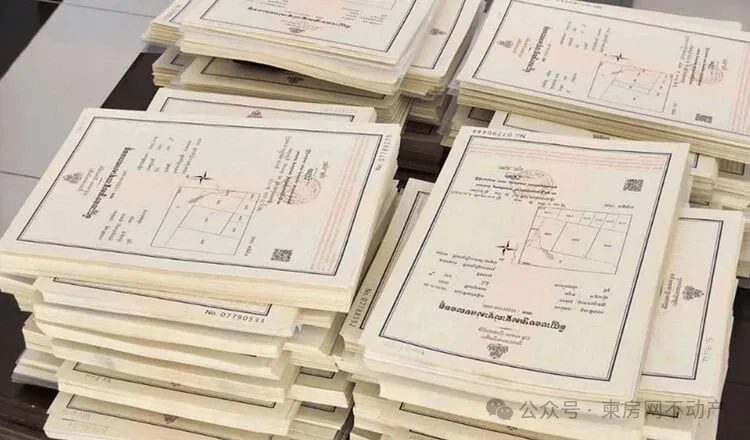
Fifth, keep all purchase documents safe.
Homeowners should carefully retain all documents related to their property purchase, such as the sales contract, proof of payment, receipts, handover documents, developer notices, property management contact records, and other relevant materials. These documents may play a crucial role in future matters such as obtaining the property title deed, selling the property, or resolving disputes.
Sixth, seek professional support.
For buyers unfamiliar with Cambodian real estate policies, it is recommended to consult experienced real estate agents, lawyers, or legal advisors. They can assist in verifying the developer's background, contract terms, title status, and project compliance, helping buyers reduce risks.
If you are still concerned about risks after understanding the above process, you can choose a bank's third-party escrow service to ensure the safety of your funds, or purchase a completed project with fully subdivided property rights. This makes it easier to obtain the hard title deed in a timely manner and reduces waiting and uncertainty. For more information on Cambodian real estate investment, please add Fang Xiaodi on WeChat: REAKH2016.
这些数据来自实时房源,每日更新。从这里开始搜索。
搜索所有房源 › 金银岛至Mekong Quay跨湄公河大桥正式签约,预计2027年年初动工!
 柬埔寨还有租金回报率7%以上的公寓?
 当下柬埔寨房地产,多久能把房子卖出去?