
Location Comparison: Buying in CBD vs Suburbs in Phnom Penh
Phnom Penh continues to redefine itself. In 2026, the capital stands as one of Southeast Asia’s top emerging markets, where vertical condominium living in the core districts meets…
Hledat podle lokality
Kategorie
Hledat podle lokality
Phnom Penh continues to redefine itself. In 2026, the capital stands as one of Southeast Asia’s top emerging markets, where vertical condominium living in the core districts meets…
Phnom Penh continues to redefine itself. In 2026, the capital stands as one of Southeast Asia’s top emerging markets, where vertical condominium living in the core districts meets expansive landed communities on the outskirts.
For property buyers and investors, the classic principle of location remains decisive. The question today is no longer simply where to buy, but which lifestyle and investment profile best aligns with your long-term goals.
READ MORE: Why Do People Choose to Invest in Cambodia?
Drawing insights from Realestate.com.kh’s 2025 Condominium Market Report and current market performance trends, this updated 2026 edition provides a clear comparison between Phnom Penh’s Central Business Districts and its rapidly developing suburban areas.
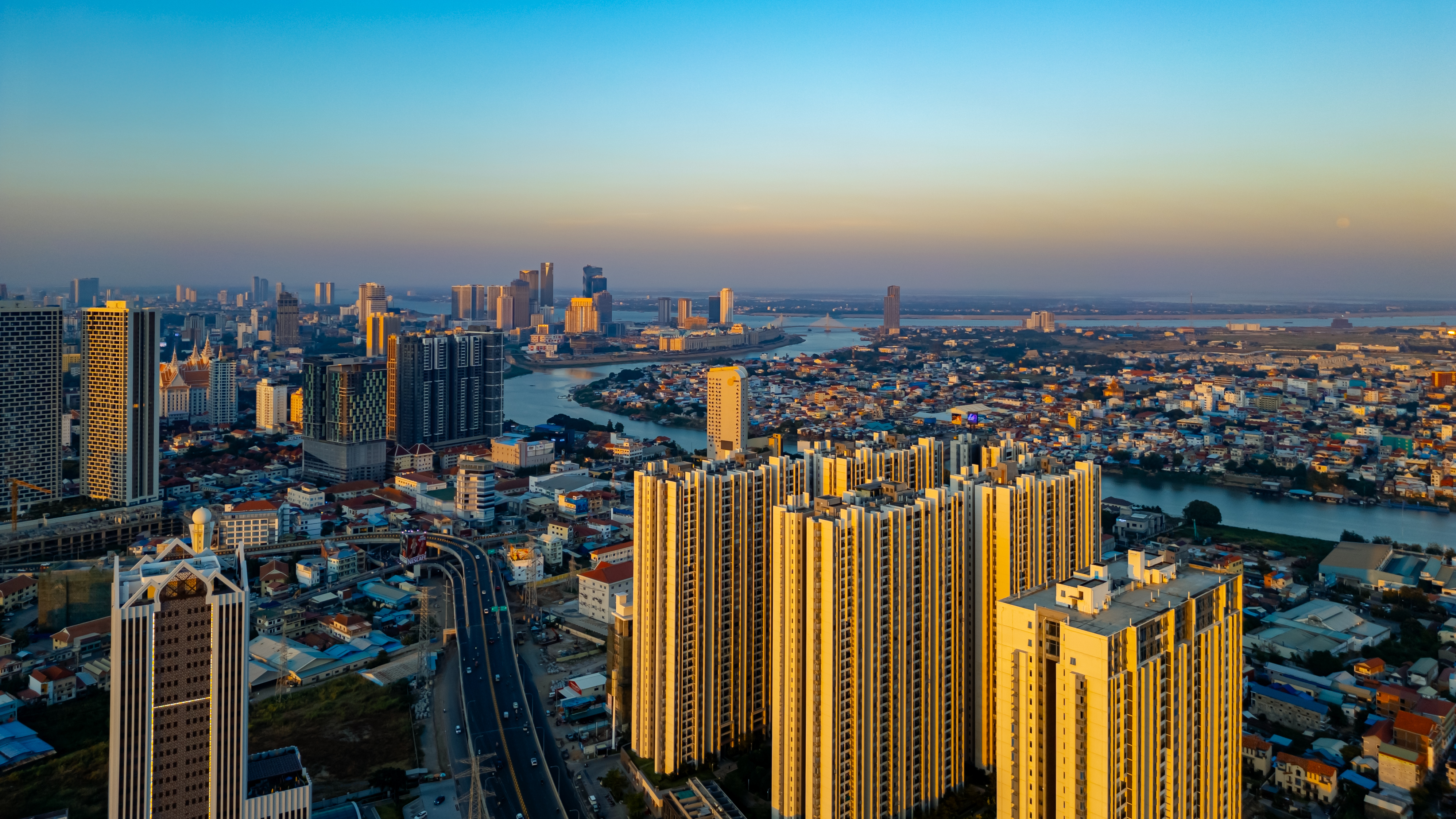
Although Phnom Penh has no officially designated CBD zone, several districts are widely recognised as the city’s commercial and financial core:
Check out more details about all of the locations listed here [link]
These districts host international companies, multinational corporations, embassies, law firms, Grade A office buildings, branded retail, and established international schools. Major lifestyle anchors such as AEON Mall Phnom Penh and Chipmong Malls, and many other popular places, are located within this urban cluster.
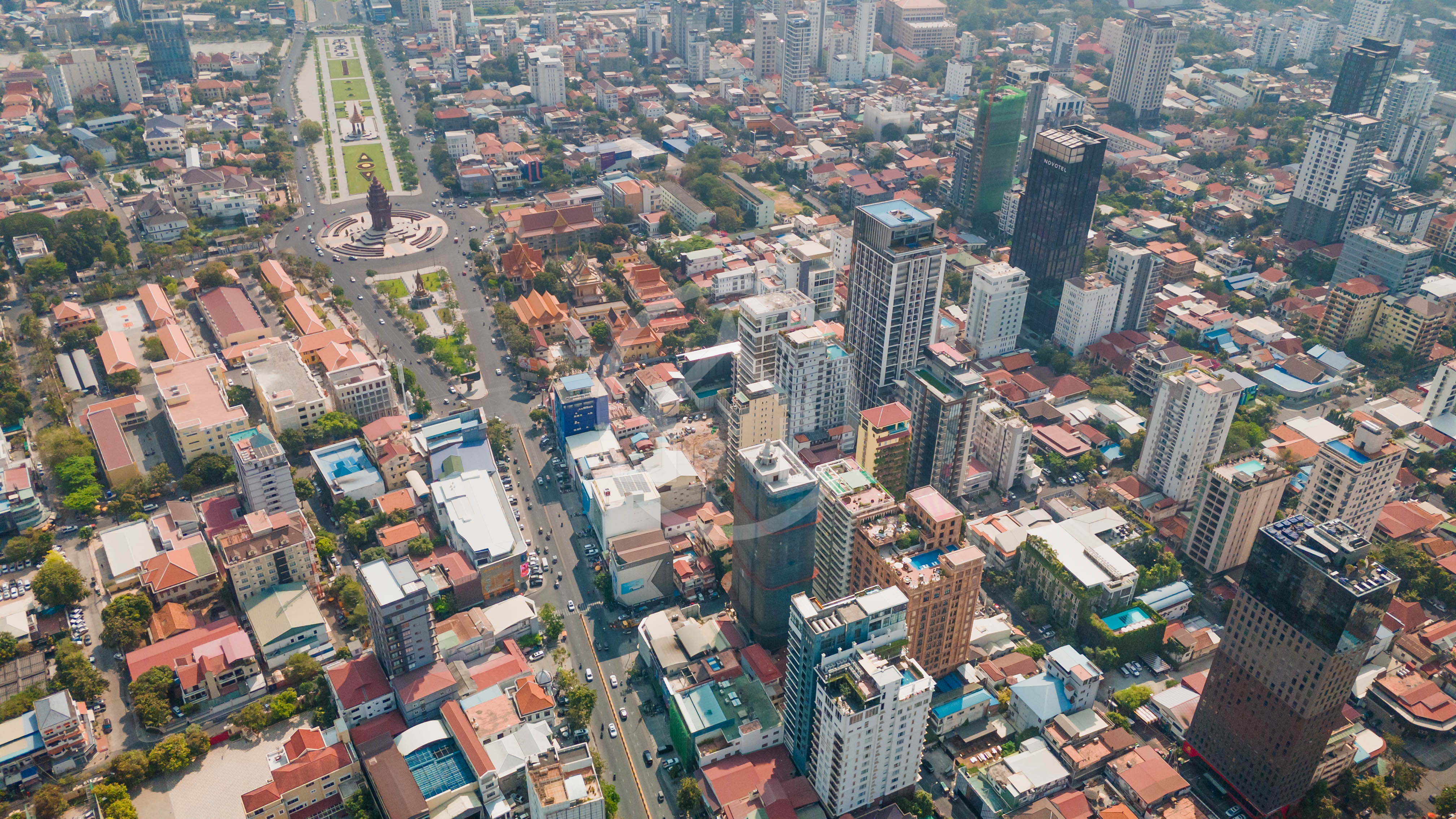
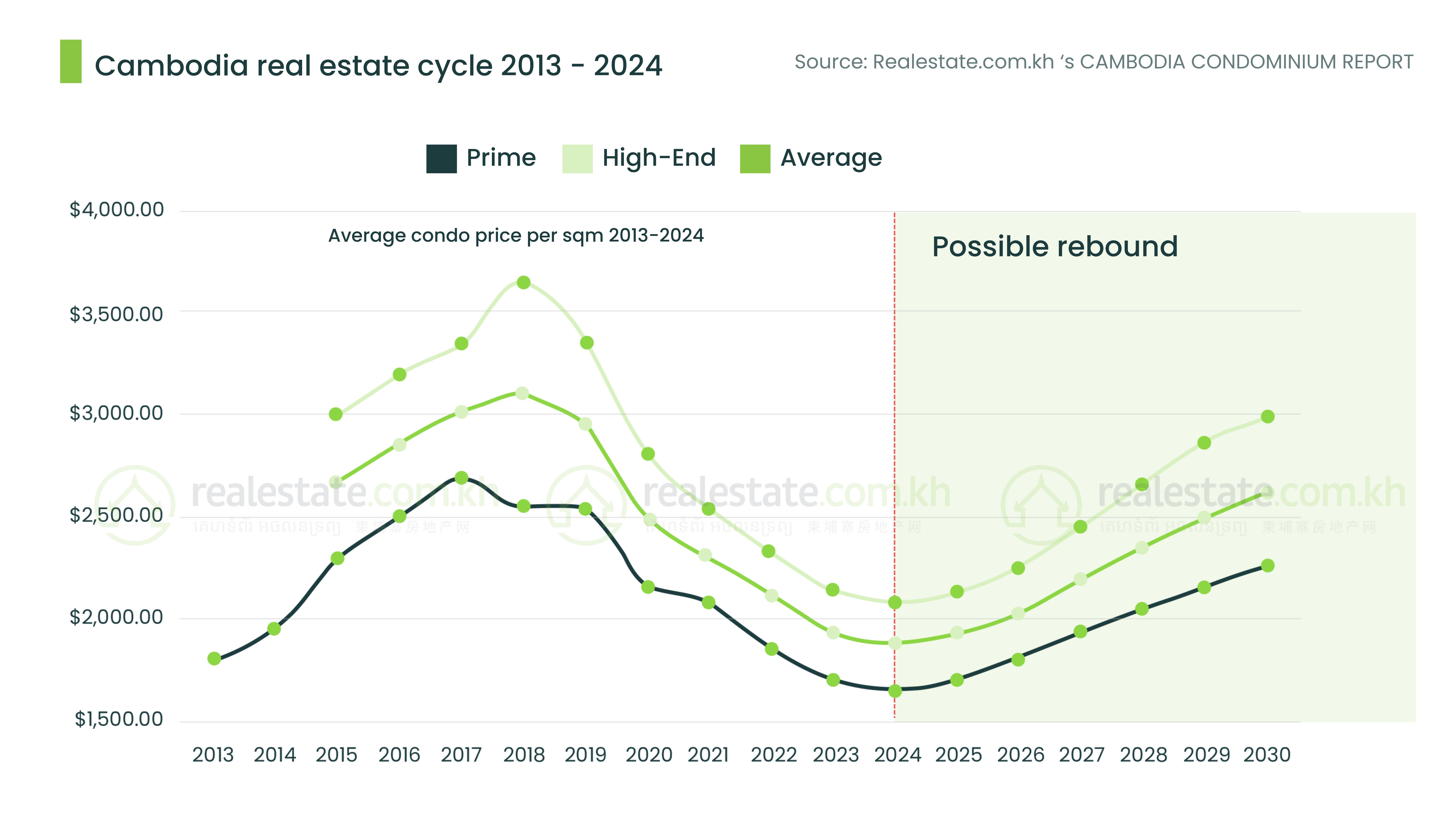
According to Realestate.com.kh’s 2025 Condominium Market Report:
This signals a maturing market in 2026 where location and project credibility are more important than speculative appreciation.
READ MORE: Top Four Most Popular Areas To Buy Property in Phnom Penh
Additional Reading: Emerging Giant- How Cambodia is Following in Singapore’s Footsteps
Additional Reading: Can Foreigners Own Property in Cambodia?
As land availability tightens in central districts, expansion continues outward. Popular suburban districts include:
Check out more details about all of the locations listed here [link]
Large-scale borey developers such as Peng Huoth Group and Chip Mong Land continue to expand integrated residential communities featuring villas, shophouses, clubhouses, schools, and retail clusters.
In 2026, infrastructure upgrades, including ring road development and bridge expansions, have strengthened suburban accessibility. This has supported steady end-user demand, particularly from Cambodia’s growing middle-income households.
Additional Reading: 50 Must-Know FAQs for Real Estate Investors in Cambodia
The Phnom Penh property market has entered a more mature cycle. The focus has shifted from speculative flipping to end-user demand and realistic rental yields.
CBD condominiums appeal to investors seeking liquidity and rental income stability. Suburban landed homes appeal to buyers prioritising lifestyle, family space, and long-term occupancy.
There is no universally superior choice. The right decision depends on your objectives:
So.... Where is the best place to live in Phnom Penh?
If your priority is proximity to work, lifestyle amenities, and rental flexibility, CBD districts such as Boeng Keng Kang or Tonle Bassac may be ideal. If you value privacy, larger living areas, and community-oriented environments, suburban districts such as Chroy Changvar or Sen Sok may better suit your needs.
In 2026, Phnom Penh offers both vertical urban sophistication and expansive residential communities. The city no longer forces buyers to compromise between comfort and convenience. It provides options aligned with diverse aspirations.
Choosing between CBD and suburban living requires accurate data, local insight, and professional guidance. For the latest listings, price comparisons, rental yield insights, and full access to Realestate.com.kh’s 2025 Condominium Market Report findings, visit us at Realestate.com.kh, the number 1 real estate agency and portal in Cambodia.
Tato čísla pocházejí z aktuálních inzerátů a aktualizují se každý den. Začněte hledat zde.
Hledat nemovitosti › Understanding Property Titles in Cambodia
 What is Freehold and Leasehold Ownership in Cambodia?
 Guide to Retiring in Cambodia in 2026