
Guide to Retiring in Cambodia in 2026
iscover the ultimate guide to retiring in Cambodia, including retirement visa, best locations to retire, accommodation, transportation, medical expenses, and costs of living
Search by Location
Search by Location
iscover the ultimate guide to retiring in Cambodia, including retirement visa, best locations to retire, accommodation, transportation, medical expenses, and costs of living
Cambodia has long established itself as an attractive and affordable destination for retirees with the nation's improving accessibility, insurance and healthcare, as well as its affordability.
With the ongoing massive investment in the transport infrastructure, there are expected to be more direct international flights and ship access, such as cruise lines.
This is opening new doors for new visitors and potentially retirees who enjoy the peaceful and safe environment in the Kingdom. The ease of obtaining visas to stay long-term is a big attraction to retirees, as is the improving financial accessibility.
We explain important facets for expats seeking to retire in Cambodia by assessing the choice of visa, currencies & banking, healthcare, cost of living, transportation and where to live.
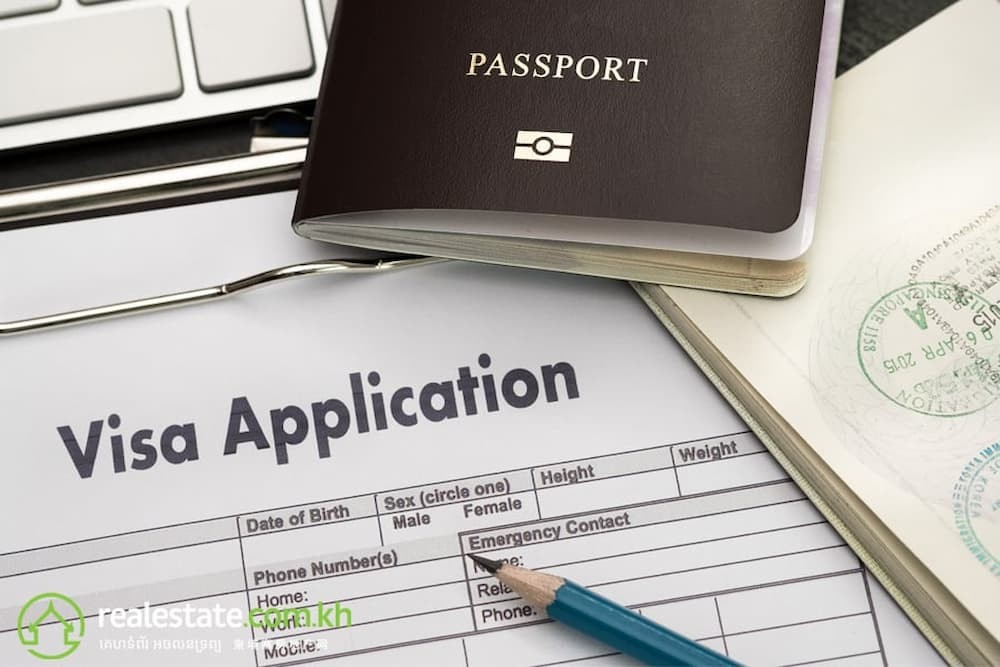
In terms of Cambodian visa options for retirees, it is quite straightforward to get an ER visa, which enables foreign citizens over the age of 55 to be eligible for visas lasting up to a maximum of 12 months, which can be renewed on an annual basis.
To get a retirement visa to Cambodia, it is necessary to apply for a regular visa first (E-class visa).
The application can be made through the Cambodian Embassy, consulate in your home country or via the online visa portal. Once entering Cambodia, it is necessary to extend the visa to a retirement visa (ER) via a visa agency, which will help in dealing with the application forms to the General Department of Immigration (GDI).
The following documents are required to complete the application:
As of the latest update, the cost for the ER visa is approximately $300 for a year. After the visa duration is completed, it must be renewed or extended if one wants to continue living in the Kingdom. It is possible to renew or extend the visa for a duration of 1,3,6, or 12 months, but only visas 6 months or longer allow for multiple entry into the Kingdom.
We suggest reading the most up-to-date guide on Visas for Cambodia, which includes the ongoing digitalisation, e-forms and other changes you should be aware of.
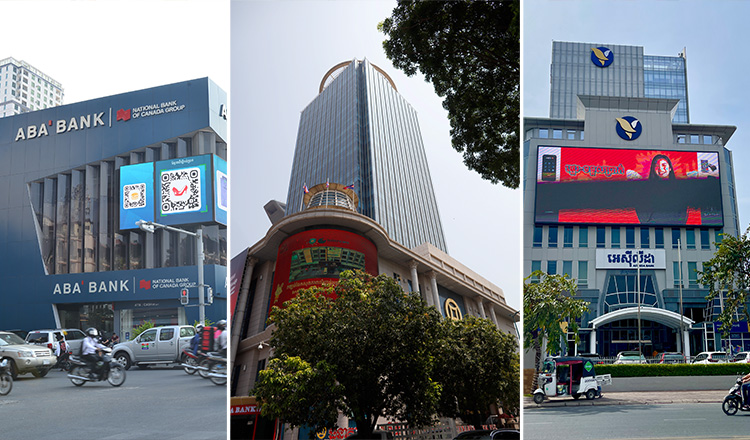
Cambodia uses a dual currency system: the Cambodian riel (KHR) and the US dollar (USD), and the uptake of digital transactions, payments, and banking has been rapidly rising.
It's important to note that only US notes are used, not coins, and there are no riel coins. Both currencies are widely used for everyday transactions. However, it is preferable to use riel when purchasing items, as the change is likely to be favourable.
The advent of cashless payments has also become prominent, so having a local bank account which allows for QR code transactions is highly recommended. It is possible to open an account with the retirement visa at selected banks. The Bakong Tourists app is another alternative as it allows for payments via local QR scans.
Foreign retirees might also need to transfer their pension funds to a local bank or use a money remittance company. It is advised that you check with your respective country about pension payments abroad. Cambodia has multiple vendors and app choices for transferring funds overseas, and most banks offer these services.
Whilst the tax law does state that there is 20% tax on overseas income for tax residents, there is no personal tax system, and you won't be taxed on money you remit into Cambodia.
Delve into more information in our guide to banking for foreigners in Cambodia.
An important aspect of living abroad as a foreign national, especially for retirees, is the healthcare system and its affordability.
Cambodia’s healthcare system has significantly improved over the last decade and continues to do so. There are several private clinics, and the public sector is continually developing its services and infrastructure, while regional partnerships between local healthcare centres and those in nearby countries have also risen
Many retirees choose to purchase health insurance that covers them for medical treatment both in Cambodia and abroad. It's important to research and understand the healthcare options available and consider including medical expenses in your retirement budget.
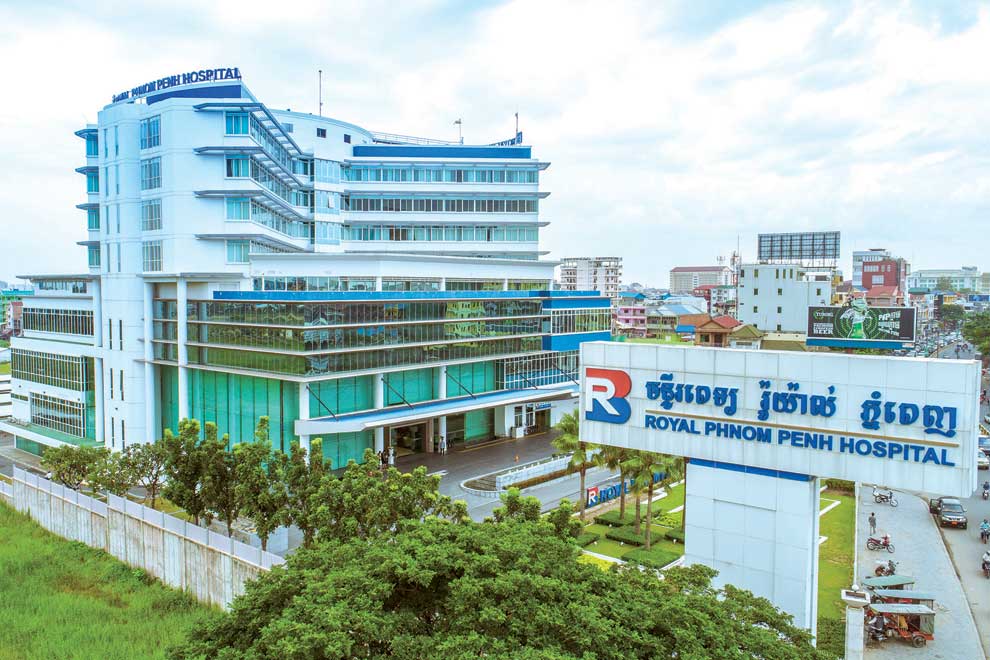
Marjolaine Arnaud-Eweh is the development coordinator for Much Mobile Healthcare in Cambodia, and she says that the home care and nursing-at-home services in Cambodia have grown significantly.
“We offer professional support that helps retirees live comfortably and independently. Over the past decade, home care has evolved into a vital pillar of the country’s healthcare landscape. What was once seen as informal post-hospital assistance is now a professional, structured service that brings medical expertise directly into people’s homes with compassion, dignity, and respect.”
The services are available to both Khmer and expatriate customers.
“For expatriates retiring in Cambodia, this means greater independence, comfort, and peace of mind in a familiar and affordable environment. Our doctors provide home consultations and medical assessments, while our professional nurses deliver ongoing support for chronic conditions such as diabetes or Parkinson’s disease.
Skilled caregivers offer daily assistance, promote healthy routines, and help prevent unnecessary hospitalisations - allowing retirees to live safely and confidently. Homecare offers the assurance of quality healthcare, the comfort of staying at home, and the freedom to enjoy life fully in the Kingdom.”

When it comes to deciding where to live in Cambodia, the Kingdom offers a variety of areas and accommodations to suit different lifestyle preferences.
Foreigners can own property in Cambodia, and buying rather than renting might be a preferred option for retirees.
Find out more about all your Cambodian property costs here.
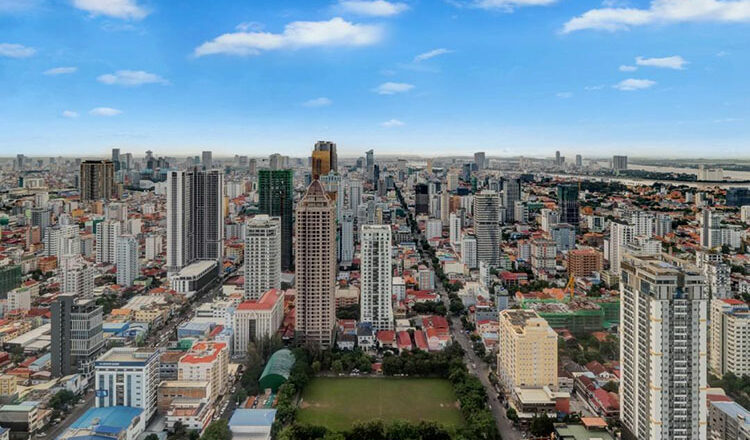
Phnom Penh is the capital and the biggest urban centre for those who prefer city life. The city continues to grow with additional shopping malls, high-rise buildings, and improved infrastructure, which is improving accessibility. The newly launched Techo International Airport (KTI) in 2025 hopes to make it a regional hub with more flights to more locations globally.
Renting a property in Phnom Penh can range from as low as $200 for a simple studio unit and as high as several thousand dollars for penthouses in prime locations such as BKK1 and Tonle Bassac.
Siem Reap offers a more laid-back lifestyle and is famous for the Angkor Wat temple complex, the largest religious monument in the world. A tourist-driven city with an expat community, there are multiple entertainment and dining options, and it is now served by a new international airport, which opened in 2023.
There are few to no high-rise developments, but quality accommodations are available with rental prices for studios ranging from a minimum of $200.
Rustic Battambang is another option in the northwest of the country.
Sihanoukville has seen significant development, especially with the construction of new buildings, infrastructure projects (ports and hubs), etc. It offers a beach getaway to the islands of Koh Rong and Koh Rong Sanloem.
Kampot and Kep are known for their slow-paced lifestyle, with a community of expats and retirees, and both locations tend to be very affordable.
The Realestate.com.kh extensive report titled “Cambodia Investment and Market Analysis” provides a comprehensive overview of Cambodia’s condominium market, reviews past market trends, and offers insights into prospects as well as areas popular for renters and buyers.
Transportation in Cambodia is relatively affordable, with options including tuk-tuks, motorbikes, trains, and buses. Tuk-tuks are a popular mode of transportation for short distances within cities, while motorbikes are commonly used for longer trips or exploring the countryside.
Buses are available for intercity travel, with both short and long-distance routes. It is important to note that road safety and infrastructure in Cambodia may not be up to some developed country standards, and caution is advised when using transportation options.
The advent of technology, transport apps, and cashless payment has transformed the options and availability when booking transportation throughout Cambodia.
Find out more in our guide for travellers coming to Cambodia.
Cambodia is known for its affordable cost of living, making it an attractive option for retirees on a budget. There has been an uptick in the cost of living as the country plans to move to an upper-middle-income economy by 2030 and a high-income country by 2050 as wages and education improve.
Foreigners can own property in Cambodia, and buying rather than renting might be a preferred option for retirees. You can find out more about all your Cambodian property costs here.
Expenses such as housing, utilities, transportation, food, and entertainment are generally lower compared to many developed countries and very competitive in the region. Monthly living costs can vary depending on your lifestyle and location, with Phnom Penh being relatively more expensive than other cities in Cambodia.
Below is an approximate average of the costs of living in Phnom Penh, which has a higher cost of living than elsewhere in the country.
Expenses |
Average Costs Monthly ($) |
| Water | $5 onwards |
| Electricity | $50 onwards |
| Gas | $15 (depending on market price) |
| Food | $150-$300 |
| Transportation | $50-$150 |
Retiring in Cambodia has become a popular option for foreigners seeking to enjoy their retirement without compromising on quality. The ease of obtaining the Cambodia ER visa, the improving healthcare options and affordable cost of living, as well as the wide variety of housing options, are just a few of the reasons why many choose Cambodia to retire in.
A single retiree may be able to live in Cambodia on around US$600–1,500 per month, depending on lifestyle and location. Housing, healthcare, food, transportation and entertainment are the main expenses to consider. Phnom Penh generally has higher living costs, while cities such as Siem Reap, Kampot and Sihanoukville offer different lifestyle and budget options.
The best place to retire in Cambodia depends on your preferred lifestyle and budget. Phnom Penh offers the widest range of healthcare, shopping and services, while Siem Reap provides a quieter lifestyle with an established international community. Kampot and Kep are suited to those seeking a slower coastal lifestyle, while Sihanoukville offers access to Cambodia's beaches and nearby islands.
Cambodia's retirement visa (the ER visa extension), costs between $280 and $330 for the government base fee. Foreigners aged 55 and above can generally apply for an ER extension after entering Cambodia with an ordinary E-class visa. The extension can be renewed annually.
Yes, a single retiree can live on US$1,000 a month in Cambodia, particularly with modest accommodation and local living costs. However, your budget will depend heavily on where you live and your lifestyle. Private healthcare, insurance, premium housing, dining out and frequent travel can significantly increase monthly expenses.
To live comfortably in Cambodia, a single person may need around US$600–1,500 per month, while a couple may require approximately US$1,200–3,000, depending on their lifestyle, housing choices and location. Since the US dollar is widely used in Cambodia, retirees can generally manage many everyday expenses and budgets directly in USD without regularly converting currencies.
To retire comfortably in Cambodia, a single person may need around US$600–1,500 per month, while a couple may require US$1,200–3,000, depending on their lifestyle and location. Using the standard 4% retirement withdrawal strategy, this could translate to an estimated savings target of around US$180,000–450,000 for a single retiree. However, those with a steady pension or Social Security income may be able to retire with less savings, provided their regular income covers their living expenses.
Many foreign residents and retirees choose Phnom Penh and Siem Reap, where there are established international communities and a broad range of services. Other popular destinations include Kampot, Kep, Sihanoukville and Battambang, which offer different combinations of affordability, lifestyle, amenities and access to nature.
Retiring in Cambodia can offer relatively affordable living costs, a range of housing options, a tropical climate and established international communities. However, retirees should also consider healthcare access, road conditions, language differences, infrastructure and insurance when deciding where and how to live in the country.
Yes! Cambodia is a popular place for foreigners to retire because the country offers several features that can appeal to foreign retirees, including relatively affordable living costs, long-stay visa options, international communities and a growing range of private healthcare and housing options.
Yes, Cambodia is a very safe place to retire. It is home to established communities of foreign residents and retirees, particularly in Phnom Penh, Siem Reap and other major destinations. As with any country, retirees should consider everyday issues such as traffic, petty crime, weather and access to healthcare when choosing where to live and should take appropriate precautions.
If you are interested in learning more about properties in Cambodia, our real estate agents are ready to assist you. Contact us today.
Those figures come from live listings, updated every day. Start your search here.
Search all homes › Understanding Property Titles in Cambodia
 What is Freehold and Leasehold Ownership in Cambodia?
 Location Comparison: Buying in CBD vs Suburbs in Phnom Penh